Chronic Hemorrhoids Treatment ,
Expert Treatment for Chronic Hemorrhoids by Dr. Faridul Islam
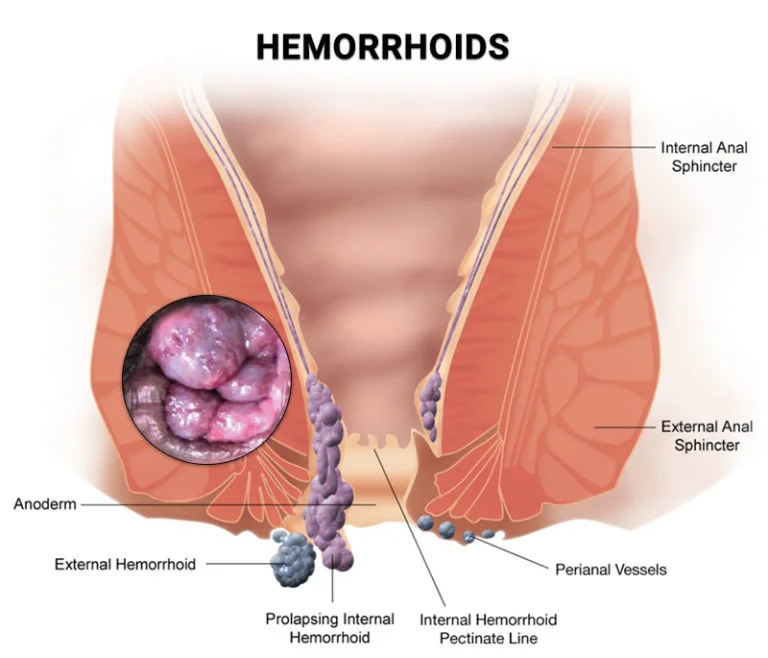
Chronic hemorrhoids are long-lasting or recurring swollen veins in the rectum or anus that cause ongoing discomfort, pain, itching, bleeding, or prolapse. Unlike temporary hemorrhoids, chronic piles often require a combination of lifestyle changes, medications, and advanced medical treatment to achieve lasting relief.
Dr. Faridul Islam provides comprehensive diagnosis and personalized treatment plans for patients suffering from chronic hemorrhoids, using modern, evidence-based techniques to improve comfort and prevent recurrence.
What Are Chronic Hemorrhoids?
Chronic hemorrhoids are hemorrhoids that:
- Persist for several weeks or months
- Frequently recur after treatment
- Cause repeated bleeding or pain
- Do not improve with home remedies alone
They may affect internal hemorrhoids, external hemorrhoids, or both.
Common Symptoms of Chronic Hemorrhoids
Patients with chronic hemorrhoids may experience:
- Frequent rectal bleeding
- Pain during or after bowel movements
- Persistent itching around the anus
- Swelling or lumps near the anus
- Prolapsed hemorrhoids
- Mucus discharge
- Difficulty sitting comfortably
- Feeling of incomplete bowel evacuation
If these symptoms continue or worsen, a medical evaluation is recommended.
Causes of Chronic Hemorrhoids
Several factors increase the risk of long-term hemorrhoids.
Common Causes
- Chronic constipation
- Repeated straining during bowel movements
- Low-fiber diet
- Chronic diarrhea
- Obesity
- Pregnancy
- Heavy lifting
- Prolonged sitting
- Family history
- Delayed treatment of early hemorrhoids
Identifying and managing these factors is important for successful treatment.
Best Treatment Options for Chronic Hemorrhoids
1. Lifestyle and Dietary Changes
Lifestyle improvement is the foundation of long-term hemorrhoid management.
Recommendations
- Eat a high-fiber diet
- Drink plenty of water
- Exercise regularly
- Maintain a healthy weight
- Avoid prolonged sitting
- Follow healthy bowel habits
These measures help prevent constipation and reduce pressure on hemorrhoidal veins.
2. Medical Treatment
For mild to moderate chronic hemorrhoids, your doctor may recommend:
- Hemorrhoid creams
- Anti-inflammatory medications
- Stool softeners
- Fiber supplements
These treatments help control symptoms but may not eliminate large hemorrhoids.
3. Rubber Band Ligation
This minimally invasive procedure is commonly used for internal hemorrhoids.
Benefits
- Effective for many Grade II and selected Grade III hemorrhoids
- Minimal discomfort
- Outpatient procedure
- Quick recovery
4. Sclerotherapy
A special solution is injected into the hemorrhoid.
Benefits
- Shrinks hemorrhoidal tissue
- Helps reduce bleeding
- Suitable for selected patients
5. Infrared Coagulation
Heat energy is used to shrink hemorrhoids.
Benefits
- Minimally invasive
- Short recovery period
- Effective for selected cases
6. Laser Hemorrhoid Treatment
Laser treatment is one of the most advanced options for chronic hemorrhoids.
Advantages
- Less postoperative pain
- Minimal bleeding
- Faster recovery
- Reduced tissue damage
- Early return to daily activities
Not every patient is a candidate, so specialist evaluation is essential.
7. Hemorrhoidectomy
For severe, prolapsed, or recurrent hemorrhoids, surgical removal may be recommended.
Benefits
- Effective for advanced disease
- Long-term symptom relief
- Lower recurrence when combined with healthy lifestyle habits
Diet for Chronic Hemorrhoids
A balanced, fiber-rich diet supports recovery.
Foods to Include
- Oats
- Whole grains
- Brown rice
- Apples
- Bananas
- Papaya
- Pears
- Spinach
- Broccoli
- Lentils
- Chickpeas
- Beans
Foods to Limit
To reduce flare-ups, avoid excessive intake of:
- Fried foods
- Fast food
- Processed snacks
- Refined flour products
- Low-fiber diets
A healthy diet promotes better digestive health.
Preventing Chronic Hemorrhoids
Long-term prevention includes:
- Drinking enough water
- Eating fiber-rich foods
- Exercising regularly
- Avoiding constipation
- Avoiding excessive straining
- Responding promptly to the urge to have a bowel movement
- Maintaining a healthy body weight
These habits reduce the risk of recurrence.
When Should You See a Doctor?
Consult a piles specialist if you have:
- Persistent or recurrent rectal bleeding
- Severe pain
- Large external hemorrhoids
- Prolapsed hemorrhoids
- Symptoms lasting more than a few weeks
- No improvement with home treatment
Early medical care can prevent complications and improve treatment outcomes.
Why Choose Dr. Faridul Islam?
Dr. Faridul Islam provides expert care for patients with chronic hemorrhoids through personalized, evidence-based treatment.
Benefits of Choosing Dr. Faridul Islam
- Experienced piles specialist
- Comprehensive diagnostic evaluation
- Individualized treatment plans
- Modern non-surgical procedures
- Advanced laser hemorrhoid treatment
- Long-term follow-up care
- Focus on preventing recurrence
Every treatment plan is designed according to the patient’s symptoms, hemorrhoid grade, and overall health.
Frequently Asked Questions (FAQs)
Can chronic hemorrhoids be cured permanently?
Many patients achieve long-term relief with the right combination of lifestyle changes and medical or surgical treatment. However, maintaining healthy bowel habits is essential to reduce the risk of recurrence.
Is surgery always necessary?
No. Many patients improve with dietary changes, medications, or minimally invasive procedures. Surgery is generally reserved for severe or recurrent hemorrhoids that do not respond to conservative treatment.
Can chronic hemorrhoids cause complications?
If left untreated, chronic hemorrhoids may lead to persistent bleeding, anemia from ongoing blood loss, thrombosis, or prolapse. Early treatment can help reduce these risks.
Conclusion
Chronic hemorrhoids can affect your daily comfort and quality of life, but effective treatment options are available. Lifestyle changes, a high-fiber diet, medications, minimally invasive procedures, and advanced surgical techniques can all play a role in long-term symptom relief.Dr. Faridul Islam provides personalized, evidence-based care for chronic hemorrhoids, helping patients receive the most appropriate treatment based on their condition. If you have persistent bleeding, recurring pain, or prolapsed hemorrhoids, scheduling an early consultation can help you achieve lasting relief and prevent future complications.