Fiber Diet for Piles Cure – Complete High-Fiber Nutrition Guide by Dr. Faridul Islam
Piles (hemorrhoids) are swollen veins in the rectum or anus that often develop due to constipation and excessive straining during bowel movements. One of the most effective natural ways to manage and prevent piles is by following a high-fiber diet.Fiber helps soften stools, improve digestion, and reduce pressure on hemorrhoidal veins. Dr. Faridul Islam recommends a balanced, fiber-rich diet as an essential part of piles treatment and long-term prevention.
Why Is Fiber Important for Piles?
Dietary fiber absorbs water and adds bulk to stool, making it easier to pass.
Benefits of Fiber for Piles:
- Prevents constipation
- Softens stool naturally
- Reduces straining during bowel movements
- Decreases bleeding and irritation
- Supports digestive health
- Helps prevent piles recurrence
A fiber-rich diet is often the first recommendation for patients with hemorrhoids.
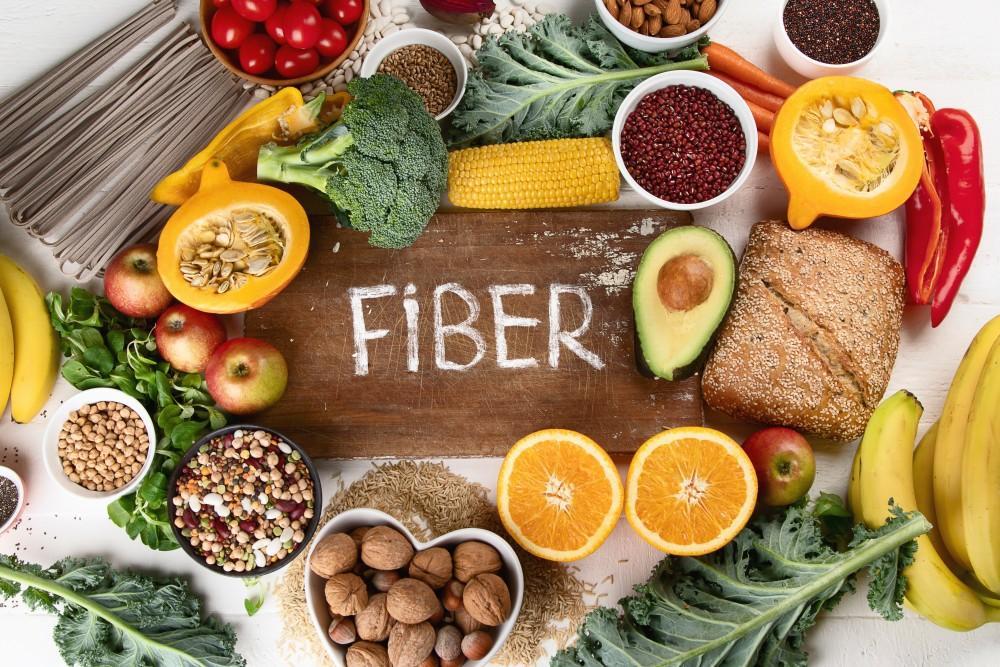
Best High-Fiber Foods for Piles
Whole Grains
Whole grains are excellent sources of dietary fiber.
Recommended Options:
- Oats
- Brown rice
- Whole wheat bread
- Barley
- Whole grain cereals
These foods support healthy bowel movements and improve digestion.
Fruits Rich in Fiber
Fresh fruits provide both fiber and essential nutrients.
Best Fruits for Piles:
- Banana
- Papaya
- Apple
- Pear
- Orange
- Guava
Eating fruits daily can help maintain regular bowel habits.
Vegetables
Vegetables are important for overall digestive health.
Recommended Vegetables:
- Spinach
- Broccoli
- Carrot
- Cucumber
- Pumpkin
- Bottle gourd
Aim to include vegetables in every major meal.
Legumes and Beans
Legumes are among the richest sources of fiber.
Good Choices:
- Lentils
- Chickpeas
- Kidney beans
- Black beans
- Peas
They help improve stool consistency and reduce constipation.
Seeds and Fiber Supplements
Helpful Options:
- Psyllium husk
- Chia seeds
- Flaxseeds
These can be added to meals to increase fiber intake.
Sample Fiber Diet Plan for Piles
Early Morning
- 1–2 glasses of warm water
- Soaked chia seeds or soaked raisins
Breakfast
- Oatmeal with banana
- Whole wheat toast
- Fresh fruit
Mid-Morning Snack
- Apple or pear
- Water
Lunch
- Brown rice or whole wheat roti
- Lentils (dal)
- Mixed vegetables
- Fresh salad
Evening Snack
- Papaya or guava
- Coconut water
Dinner
- Vegetable soup
- Whole wheat roti
- Cooked vegetables
- Lentils or beans
Drink Enough Water
Fiber works effectively only when combined with proper hydration.
Benefits:
- Prevents hard stools
- Supports bowel regularity
- Improves digestion
Drink adequate water throughout the day unless medically restricted.
Foods to Avoid
Certain foods can worsen constipation and piles symptoms.
Limit or Avoid:
- Fast food
- Fried foods
- Processed snacks
- White bread
- Refined flour products
- Excess spicy foods
A healthy diet supports faster recovery.
Additional Lifestyle Tips
Exercise Regularly
Activities such as walking and yoga improve digestion and bowel function.
Benefits:
- Reduces constipation
- Supports healthy circulation
- Helps maintain a healthy weight
Avoid Straining
Do not force bowel movements, as straining increases pressure on hemorrhoids.
Maintain Healthy Toilet Habits
- Go when you feel the urge
- Avoid prolonged sitting on the toilet
- Follow a regular routine
Can a Fiber Diet Cure Piles?
A high-fiber diet can significantly improve mild piles and help prevent future flare-ups. However, severe hemorrhoids may require medical treatment in addition to dietary changes.
Long-term success depends on:
- Consistent fiber intake
- Adequate hydration
- Regular exercise
- Healthy bowel habits
When to See a Doctor
Consult a healthcare professional if you have:
- Persistent bleeding
- Severe pain
- Large hemorrhoids
- Recurring symptoms
- Difficulty sitting comfortably
Medical evaluation is important for moderate to severe cases.
Why Choose Dr. Faridul Islam?
Benefits of Care:
- Experienced piles specialist
- Personalized treatment plans
- Nutritional guidance
- Advanced non-surgical treatments
- Modern laser treatment options
Patients receive complete support from diagnosis to recovery.
Conclusion
A fiber-rich diet is one of the most effective natural strategies for piles treatment and prevention. Foods such as oats, fruits, vegetables, legumes, and whole grains help soften stools, reduce constipation, and minimize strain during bowel movements.Dr. Faridul Islam recommends combining a high-fiber diet with adequate hydration, regular exercise, and healthy bowel habits for the best results. If symptoms persist or worsen, professional medical evaluation is essential for proper diagnosis and treatment.Taking care of your digestive health today can help you achieve lasting relief from piles and improve your overall well-being.