How to Stop Bleeding Piles – Effective Treatment Guide by Dr. Faridul Islam
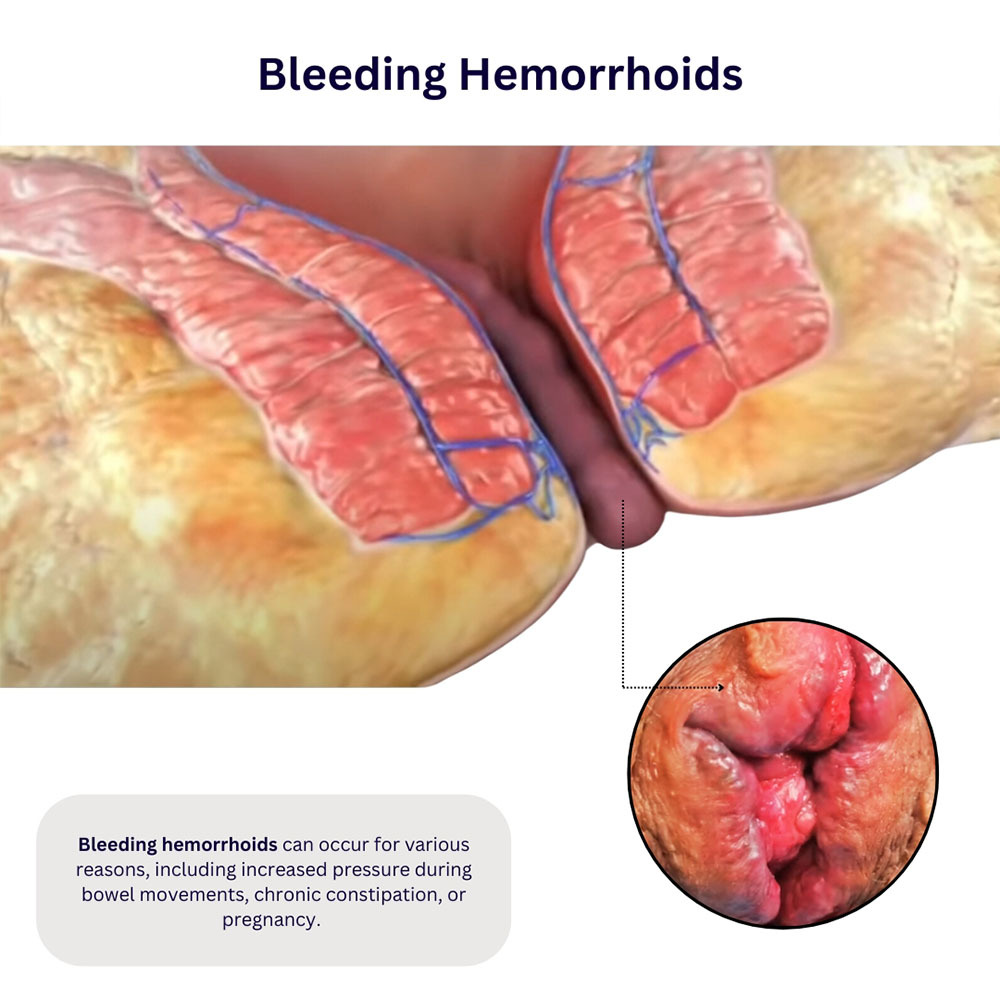
Bleeding piles (hemorrhoids) are a common condition that occurs when swollen veins in the rectum or anus become irritated or damaged during bowel movements. Many people notice bright red blood on toilet paper, in the toilet bowl, or on the stool. While mild bleeding may not be dangerous, persistent or heavy bleeding should always be evaluated by a doctor.Dr. Faridul Islam provides expert diagnosis and treatment for bleeding piles, helping patients achieve fast relief and long-term recovery.
Why Do Piles Bleed?
Bleeding usually occurs when hemorrhoids are irritated by hard stools or excessive straining.
Common Causes:
- Chronic constipation
- Hard stool
- Straining during bowel movements
- Low-fiber diet
- Chronic diarrhea
- Prolonged sitting on the toilet
Treating the underlying cause is essential to stop bleeding and prevent recurrence.
How to Stop Bleeding Piles
1. Increase Fiber Intake
A high-fiber diet helps soften stool and reduces strain during bowel movements.
Best Fiber-Rich Foods:
- Oats
- Whole grains
- Brown rice
- Apples
- Bananas
- Papaya
- Green vegetables
- Lentils and beans
Fiber reduces irritation and promotes healing.
2. Drink Plenty of Water
Proper hydration helps prevent hard stools.
Benefits:
- Easier bowel movements
- Less straining
- Reduced irritation of hemorrhoids
Drink adequate water throughout the day unless medically restricted.
3. Avoid Straining During Bowel Movements
Straining can worsen bleeding and delay healing.
Healthy Habits:
- Do not force bowel movements
- Respond promptly to the urge to pass stool
- Avoid prolonged toilet sitting
These habits reduce pressure on hemorrhoids.
4. Take Warm Sitz Baths
Warm water can help soothe irritated tissue.
Benefits:
- Improves blood circulation
- Reduces discomfort
- Supports healing
Sit in warm water for 10–15 minutes, several times daily.
5. Use Doctor-Recommended Medications
Certain medications may help control bleeding and inflammation.
Common Treatments:
- Hemorrhoid creams
- Anti-inflammatory ointments
- Stool softeners
- Fiber supplements
Always follow medical advice before using medications.
Foods to Avoid
Some foods can worsen constipation and bleeding.
Limit:
- Fast food
- Fried foods
- Processed snacks
- Excess spicy foods
- Low-fiber diets
Healthy eating supports recovery.
Medical Treatments for Bleeding Piles
If bleeding continues despite lifestyle changes, medical procedures may be needed.
Treatment Options Include:
Rubber Band Ligation
Cuts off blood supply to the hemorrhoid, causing it to shrink.
Injection Therapy (Sclerotherapy)
Helps reduce bleeding and hemorrhoid size.
Infrared Coagulation
Uses heat to shrink hemorrhoidal tissue.
Laser Piles Treatment
A modern treatment that can effectively reduce bleeding and provide faster recovery.
Dr. Faridul Islam offers personalized treatment plans based on the severity of the condition.
When Should You See a Doctor?
Seek medical attention immediately if you have:
- Persistent or frequent bleeding
- Heavy rectal bleeding
- Severe pain
- Dizziness or weakness
- Large swelling
- Blood mixed with stool
Rectal bleeding is not always caused by piles, so proper evaluation is important.
How to Prevent Bleeding Piles
Prevention Tips:
- Eat a high-fiber diet
- Drink enough water
- Exercise regularly
- Avoid constipation
- Avoid prolonged sitting
- Follow healthy bowel habits
Preventive measures reduce the risk of future bleeding.
Why Choose Dr. Faridul Islam?
Benefits of Care:
- Experienced piles specialist
- Advanced treatment options
- Modern laser procedures
- Personalized treatment plans
- Focus on long-term recovery
Patients receive comprehensive care from diagnosis to recovery.
Conclusion
Bleeding piles are often caused by constipation, hard stools, and straining during bowel movements. Increasing fiber intake, staying hydrated, improving bowel habits, and using appropriate medical treatments can help stop bleeding and promote healing.If bleeding persists or becomes severe, professional evaluation is essential. Dr. Faridul Islam provides expert diagnosis and advanced treatment options to help patients achieve lasting relief and better digestive health.If you are experiencing bleeding piles, consult a qualified healthcare professional for the most appropriate treatment plan.