Piles Treatment During Pregnancy – Safe Care by Dr. Faridul Islam
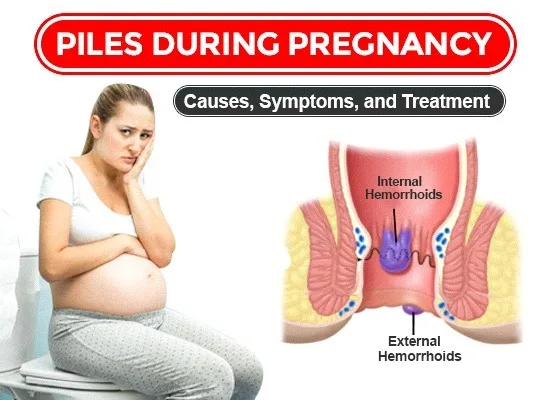
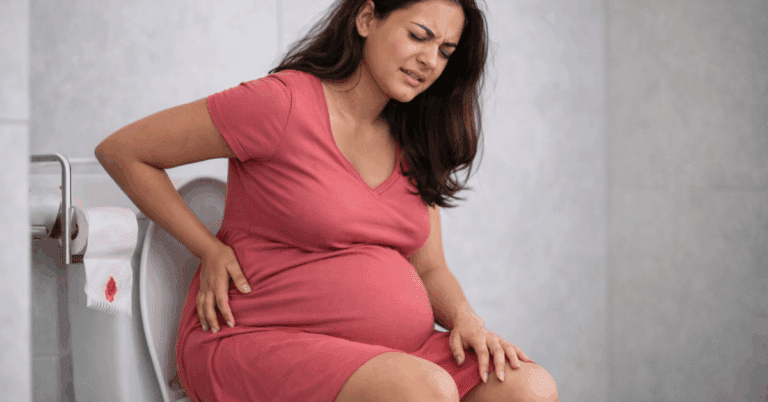
Piles, also known as hemorrhoids, are a common problem during pregnancy. Many women experience piles due to increased pressure on the pelvic veins, hormonal changes, and constipation. Symptoms such as pain, itching, swelling, and bleeding can make pregnancy even more uncomfortable. Dr. Faridul Islam provides expert guidance and safe treatment options for piles during pregnancy, helping mothers find relief while protecting their health and their baby’s well-being.
Why Do Piles Occur During Pregnancy?
Pregnancy increases pressure on the veins around the rectum and anus. Hormonal changes can also slow digestion, leading to constipation.
Common Causes Include:
- Increased pressure from the growing uterus
- Constipation during pregnancy
- Hormonal changes
- Reduced physical activity
- Straining during bowel movements
- Weight gain during pregnancy
These factors increase the risk of developing hemorrhoids.
Symptoms of Piles During Pregnancy
Common Symptoms:
- Bleeding during bowel movement
- Pain or discomfort around the anus
- Itching and irritation
- Swelling near the anal area
- Lump around the anus
- Difficulty sitting comfortably
- Burning sensation
Symptoms may become more noticeable during the third trimester.
Safe Piles Treatment During Pregnancy
The goal of treatment is to relieve symptoms safely while minimizing risks.
1. Increase Fiber Intake
A high-fiber diet helps prevent constipation and reduces strain during bowel movements.
Best Foods:
- Whole grains
- Oats
- Brown rice
- Fresh fruits
- Green vegetables
- Lentils and beans
Fiber helps soften stool and supports healthy digestion.
2. Drink Plenty of Water
Proper hydration helps prevent constipation.
Benefits:
- Softer stools
- Easier bowel movements
- Reduced pressure on hemorrhoids
Pregnant women should follow their healthcare provider’s advice regarding fluid intake.
3. Warm Sitz Bath
A warm sitz bath is one of the safest home remedies during pregnancy.
Benefits:
- Relieves pain and itching
- Reduces swelling
- Improves blood circulation
- Provides comfort after bowel movements
Soaking the affected area in warm water for 10–15 minutes can help reduce discomfort.
4. Regular Physical Activity
Light exercise improves bowel function and circulation.
Safe Activities:
- Walking
- Prenatal yoga (with medical approval)
- Gentle stretching
Always consult your obstetrician before starting a new exercise routine.
5. Avoid Straining
Straining can worsen hemorrhoids.
Helpful Tips:
- Do not delay bowel movements
- Avoid sitting on the toilet for long periods
- Maintain regular bowel habits
6. Pregnancy-Safe Medications
Some creams, ointments, or stool softeners may be recommended by a doctor.
Important: Pregnant women should only use medications approved by their healthcare provider.
Treatments Usually Avoided During Pregnancy
Most invasive procedures are postponed until after delivery unless symptoms are severe.
These may include:
- Rubber band ligation
- Laser treatment
- Surgical hemorrhoid removal
A specialist will decide whether treatment is necessary based on the severity of symptoms.
How to Prevent Piles During Pregnancy
Prevention Tips:
- Eat a high-fiber diet
- Drink enough water
- Stay physically active
- Avoid constipation
- Avoid prolonged sitting
- Follow healthy bowel habits
Preventive measures can significantly reduce the risk of hemorrhoids during pregnancy.
When to See a Doctor
Seek medical advice if you experience:
- Persistent rectal bleeding
- Severe pain
- Large swelling
- Difficulty passing stool
- Symptoms that do not improve
Early medical evaluation helps rule out other causes of rectal bleeding and ensures safe treatment.
Why Choose Dr. Faridul Islam?
Benefits of Care:
- Personalized treatment plans
- Focus on patient comfort and safety
- Modern diagnostic evaluation
- Guidance for pregnancy-related piles
- Long-term prevention strategies
Every patient receives care tailored to their individual condition.
Conclusion
Piles during pregnancy are common, but they can often be managed safely with lifestyle changes, proper hydration, a high-fiber diet, and medical guidance. Early care helps reduce discomfort and prevents symptoms from worsening. Dr. Faridul Islam provides expert consultation and safe treatment options for pregnancy-related piles, helping mothers stay healthy and comfortable throughout pregnancy. If you are experiencing piles symptoms during pregnancy, consult a qualified healthcare professional for proper evaluation and treatment