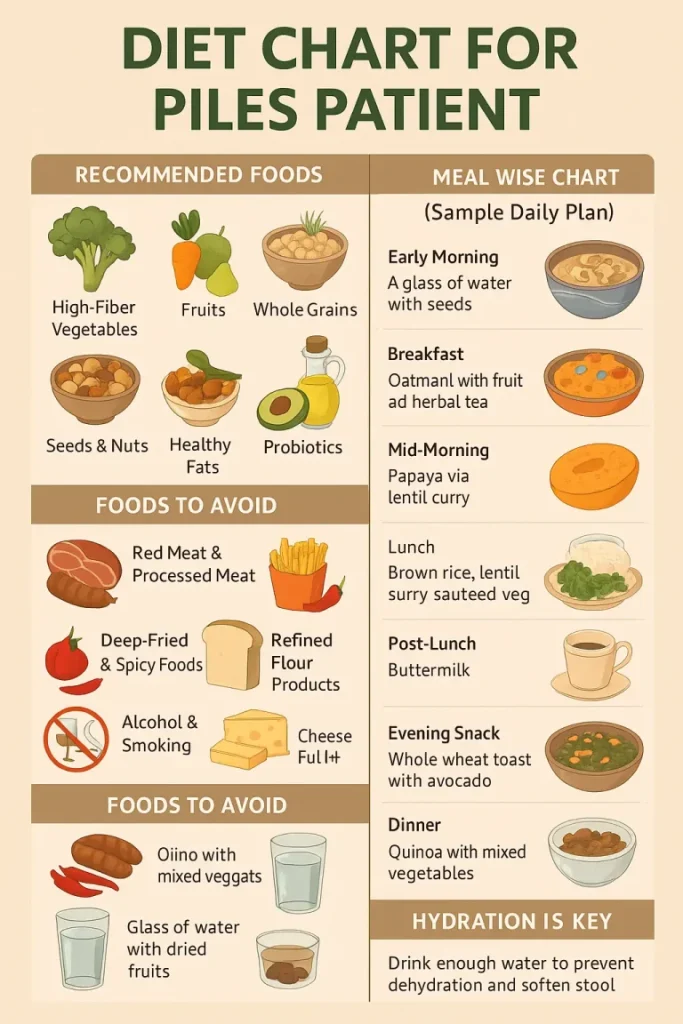
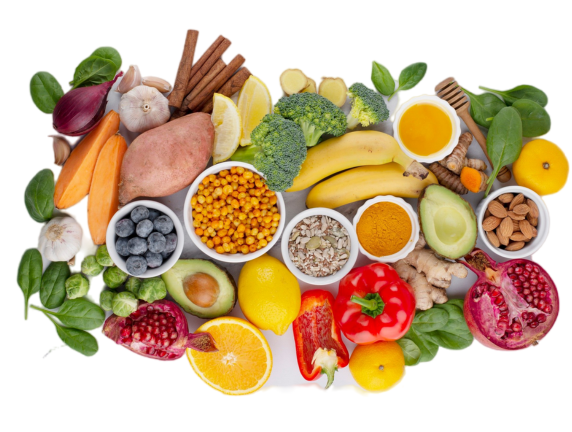
Diet for Piles PatientsPiles, also known as Hemorrhoids, are swollen and inflamed veins in the lower rectum and anus. They often cause pain, itching, swelling, and bleeding during bowel movements. One of the main reasons piles develop or worsen is constipation and straining while passing stool. Therefore, diet plays a very important role in managing and preventing piles.A proper diet helps soften stool, improve digestion, reduce pressure on rectal veins, and prevent further complications.
This article explains in detail the best diet plan for piles patients, including foods to eat and foods to avoid.—Importance of Diet in PilesFor piles patients, the main goal of diet is to prevent constipation and maintain smooth bowel movements. Hard stools increase pressure on the anal veins, which worsens the condition. A balanced diet rich in fiber and fluids helps reduce this pressure.A good diet can:Soften stoolImprove digestionReduce strainingDecrease inflammationSpeed up healingPrevent recurrenceBy following proper dietary habits, many mild cases of piles can be managed without surgery.—High-Fiber Diet: The Key to ReliefFiber is the most important nutrient for piles patients. It adds bulk to stool and makes it soft and easy to pass. Adults should aim for 20–35 grams of fiber daily.
There are two types of fiber:1. Soluble FiberSoluble fiber absorbs water and forms a gel-like substance that softens stool.Sources of soluble fiber:OatsApplesBananasCarrotsBeansLentils2. Insoluble FiberInsoluble fiber adds bulk to stool and helps it move quickly through the intestines.Sources of insoluble fiber:Whole wheatBrown riceBranCabbageGreen leafy vegetablesIncluding both types of fiber in daily meals is essential.—Fruits for Piles PatientsFruits are rich in fiber, vitamins, and water content. They improve digestion and prevent constipation.Recommended Fruits:Papaya: Helps improve bowel movement and digestion.Banana: Softens stool and prevents constipation.Apple: Contains soluble fiber that improves gut health.Pear: High in fiber and water content.Orange: Provides fiber and vitamin C.Berries: Rich in antioxidants and fiber.It is better to eat whole fruits instead of fruit juices because juices often lack fiber.—Vegetables for Piles PatientsVegetables are an essential part of a high-fiber diet.Best Vegetables:SpinachBroccoliCabbageCarrotsPumpkinBottle gourdSweet potatoesGreen leafy vegetables are especially beneficial because they improve bowel movement and reduce inflammation.—Whole Grains and CerealsWhole grains are better than refined grains because they contain more fiber.
Healthy Choices:Brown riceWhole wheat breadOatsBarleyCornBran cerealsAvoid refined flour products such as white bread and pastries, as they lack fiber and may cause constipation.—Legumes and PulsesLegumes are excellent sources of plant-based protein and fiber.Examples include:LentilsChickpeasKidney beansBlack beansPeasHowever, they should be soaked properly and cooked well to prevent gas and bloating.—Nuts and SeedsNuts and seeds contain fiber, healthy fats, and nutrients that support digestion.Recommended Options:AlmondsWalnutsFlaxseedsChia seedsPumpkin seedsThese can be added to salads, yogurt, or breakfast cereals.—Importance of HydrationWater is just as important as fiber. Fiber works properly only when there is enough water in the body.Piles patients should drink at least 8–10 glasses of water daily. In hot climates or during physical activity, more fluids may be required.Other helpful fluids include:Coconut waterFresh fruit juices (with pulp)Herbal teasVegetable soupsAvoid excessive caffeine and alcohol, as they can cause dehydration and worsen constipation.—Probiotic FoodsProbiotics are beneficial bacteria that improve gut health and digestion.
They help maintain regular bowel movements.Probiotic Sources:YogurtButtermilkKefirFermented foodsIncluding probiotics in the daily diet can reduce digestive problems.—Foods to Avoid in PilesCertain foods can worsen constipation and irritation. Piles patients should limit or avoid:1. Spicy FoodsSpicy and oily foods may irritate the digestive system and increase discomfort during bowel movements.2. Processed FoodsFast foods, chips, and packaged snacks are low in fiber and high in unhealthy fats.3.
Refined GrainsWhite bread, white rice, pasta, and bakery items lack fiber.4. Red MeatRed meat is harder to digest and may cause constipation.5. Excess Caffeine and AlcoholThese can lead to dehydration and worsen symptoms.—Sample Daily Diet Plan for Piles PatientsHere is a simple example of a healthy daily diet:Early Morning:A glass of warm water with lemonSoaked raisins or figsBreakfast:Oatmeal with fruitsWhole wheat bread with boiled eggsA glass of milk or yogurtMid-Morning Snack:Papaya or bananaCoconut waterLunch:Brown rice or whole wheat chapatiLentil soup (dal)Mixed vegetablesSaladYogurtEvening Snack:Handful of almondsHerbal teaDinner:Light meal such as vegetable soupWhole wheat breadSteamed vegetablesDinner should be light and eaten at least 2–3 hours before bedtime.—Lifestyle Tips Along with DietDiet alone is not enough. Some lifestyle habits support dietary efforts:Exercise regularly (walking is very helpful)Avoid sitting for long periodsDo not delay bowel movementsAvoid strainingCombining proper diet with healthy habits gives the best results.—ConclusionDiet plays a crucial role in managing and preventing piles.
A high-fiber diet combined with adequate water intake helps soften stool and reduce pressure on anal veins. Fruits, vegetables, whole grains, legumes, nuts, and probiotic foods should be included regularly. At the same time, spicy foods, processed foods, refined grains, and alcohol should be avoided.With proper dietary care, many piles patients experience significant relief from symptoms. A balanced diet not only helps treat piles but also improves overall digestive health. Maintaining healthy eating habits can prevent recurrence and promote long-term well-being.