How to Prevent PilesPiles, also known as Hemorrhoids, are swollen veins in the lower rectum and anus. They are a very common health problem, affecting millions of people worldwide. Although piles are not usually life-threatening, they can cause significant discomfort, pain, itching, and bleeding during bowel movements. Preventing piles is much easier than treating them, and maintaining a healthy lifestyle plays a vital role in keeping this condition at bay. This article will discuss in detail how to prevent piles effectively.—Understanding the Causes of PilesBefore discussing prevention, it is important to understand the factors that cause piles.
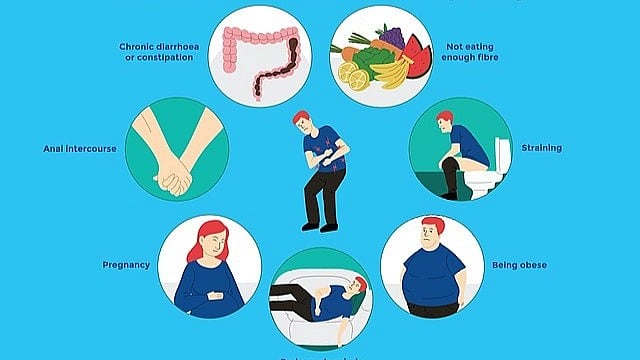
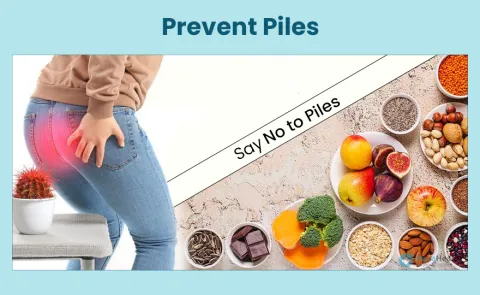
Piles occur when veins in the rectum and anus become swollen due to increased pressure. Some common causes include:Chronic constipation – Straining during bowel movements increases pressure on rectal veins.Low-fiber diet – Lack of fiber leads to hard stools, making bowel movements difficult.Pregnancy – Increased pressure in the pelvis can cause veins to swell.Obesity – Extra weight puts stress on pelvic and rectal veins.Prolonged sitting – Sitting for long periods, especially on the toilet, increases anal vein pressure.Heavy lifting – Lifting heavy objects frequently can raise abdominal pressure.By understanding these causes, it becomes easier to take preventive measures.—1. Eat a High-Fiber DietOne of the most important steps to prevent piles is eating a diet rich in fiber. Fiber softens the stool and increases its bulk, making it easier to pass and reducing the need for straining.Foods High in Fiber:Fruits – Apples, bananas, papaya, berries, and pears.Vegetables – Spinach, cabbage, carrots, broccoli, and green beans.Whole grains – Brown rice, oats, whole wheat bread, and barley.Legumes – Lentils, beans, chickpeas, and peas.Nuts and seeds – Almonds, flaxseeds, and chia seeds.Adults should aim to consume 20–35 grams of fiber daily. Increasing fiber intake gradually is important to prevent bloating or gas.Fiber not only prevents constipation but also helps maintain a healthy digestive system, reducing the risk of piles.—2. Stay HydratedDrinking enough water is essential to prevent piles.
Water helps soften stool, making it easier to pass. Adults should aim for at least 8–10 glasses of water daily, or more if they live in hot climates or exercise frequently.Other fluids such as herbal teas, soups, and fresh fruit juices can also contribute to hydration. Avoid excessive caffeinated drinks and alcohol, as they may cause dehydration.—3. Maintain Regular Bowel HabitsEstablishing healthy bowel habits is crucial to prevent piles.Tips for Healthy Bowel Habits:Go to the toilet as soon as you feel the urge. Holding stool for a long time can make it hard and increase pressure during defecation.Avoid straining or forcing stool. Straining puts extra pressure on anal veins.Try to maintain a regular bowel routine by going at the same time each day, ideally after meals when the digestive system is active.—4. Exercise RegularlyRegular physical activity is another key preventive measure. Exercise improves blood circulation, strengthens abdominal and pelvic muscles, and promotes regular bowel movements.
Recommended Activities:Walking or joggingCyclingYoga, especially poses that improve digestionLight strength trainingAvoid long periods of sitting. If your job requires sitting for hours, take short breaks every 1–2 hours to stand, stretch, and move around.—5. Avoid Prolonged SittingProlonged sitting, especially on hard surfaces, increases pressure on anal veins. People who work at desks, drive for long hours, or spend a lot of time seated should take preventive measures:Take breaks every hour to stand and stretch.Use a cushioned seat or a special ring pillow if sitting for long periods is necessary.Avoid sitting on the toilet for long periods. Reading or using a mobile phone while on the toilet can increase the risk of piles.—6. Maintain a Healthy WeightObesity increases pressure on the veins in the rectal and anal area, contributing to piles. Maintaining a healthy weight reduces the risk of developing piles and improves overall health.Eat a balanced diet with adequate fiber.Exercise regularly to control weight.Avoid excessive consumption of processed or fast foods.—7. Avoid Heavy LiftingFrequent heavy lifting increases abdominal pressure, which can cause swelling of the veins in the anus. If heavy lifting is necessary:Use proper lifting techniques by bending your knees and keeping your back straight.Avoid holding your breath while lifting.Take breaks between heavy lifting tasks to reduce strain.—8. Manage Pregnancy-Related RisksPregnant women are at higher risk for piles due to increased pressure on pelvic veins.
Prevention during pregnancy includes:Eating a fiber-rich diet and drinking plenty of fluids.Regular gentle exercise such as walking or prenatal yoga.Avoiding long periods of standing or sitting.Consulting a doctor for safe stool softeners if constipation occurs.Proper care during pregnancy can prevent the development of piles or reduce their severity.—9. Avoid Anal IrritationIrritation of the anal area can worsen the risk of piles. To minimize irritation:Clean the area gently after bowel movements using soft, unscented toilet paper.Avoid harsh soaps or scented wipes.Consider using a bidet or rinsing with water for gentle cleaning.Keep the area dry and avoid prolonged moisture, which can increase irritation.—10. Manage Chronic Constipation or DiarrheaBoth chronic constipation and diarrhea can increase the risk of piles.For constipation, focus on a high-fiber diet, proper hydration, and regular exercise. Over-the-counter stool softeners can help in severe cases.For chronic diarrhea, identify the cause, such as infections, food intolerance, or digestive disorders, and treat it under medical guidance.Managing bowel irregularities reduces pressure on anal veins and prevents piles.—11. Avoid Straining During Bowel MovementsStraining during defecation is one of the primary causes of piles.
Preventive measures include:Relaxing during bowel movementsUsing a footstool to raise your legs while sitting on the toilet, which can make passing stool easierAvoiding excessive effort or holding your breath while pushing—12. Monitor Lifestyle HabitsCertain lifestyle habits may increase the risk of piles:Smoking – Can affect blood circulation and worsen vein health.Excessive alcohol – May cause dehydration and constipation.Poor diet – Low fiber, processed foods, and high-fat diets can contribute to bowel problems.Adopting a healthy lifestyle reduces the risk of developing piles.—13. Early Detection and AwarenessBeing aware of early signs of piles helps prevent progression.
Early symptoms include:Mild discomfort or itching around the anusOccasional bleeding during bowel movementsSlight swelling or small lumpsTaking preventive measures at this stage, such as dietary changes and lifestyle adjustments, can prevent piles from becoming severe.—ConclusionPreventing piles is largely about maintaining a healthy lifestyle and good bowel habits. Key preventive measures include:Eating a high-fiber dietDrinking enough waterRegular exerciseAvoiding prolonged sittingMaintaining a healthy weightAvoiding straining and heavy liftingManaging bowel irregularitiesMaintaining anal hygieneBy following these steps, individuals can significantly reduce the risk of developing piles. Prevention is always better than treatment, as it avoids discomfort, pain, and the need for medical or surgical interventions.Early awareness and consistent healthy habits not only prevent piles but also improve overall digestive health.
With proper care, most people can avoid the discomfort and complications associated with piles and maintain a better quality of life.—This article provides comprehensive guidance on preventing piles, emphasizing that lifestyle changes and dietary habits play a crucial role in maintaining anal and rectal health.—If you want, I can also create a structured preventive guide with daily routines, diet charts, and exercises for piles prevention, which would be highly practical for readers. This could be an additional 1,500–2,000-word resource.Do you want me to do that?