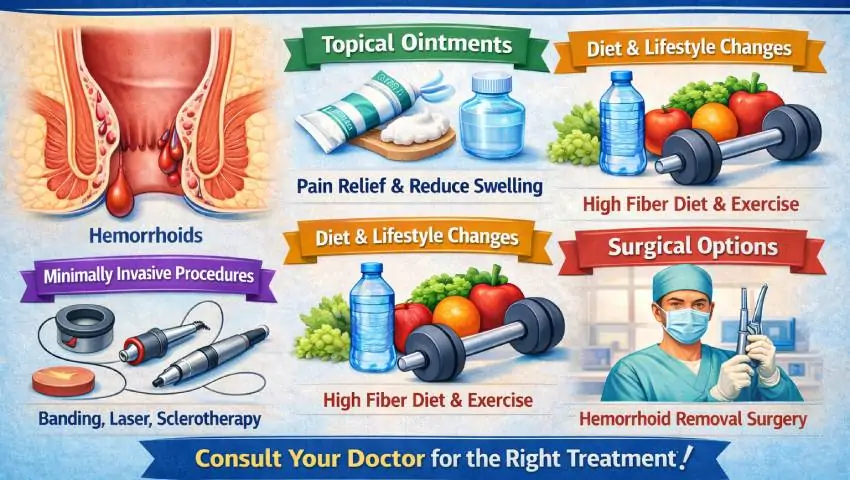
Lifestyle Changes for PilesPiles, also known as Hemorrhoids, are swollen and inflamed veins in the lower rectum and anus. They are a common condition that can cause pain, itching, swelling, and bleeding during bowel movements. Although medical treatments and surgeries are available, lifestyle changes are one of the most effective and natural ways to manage and prevent piles. In many mild and moderate cases, proper lifestyle habits can reduce symptoms and stop the condition from becoming worse.
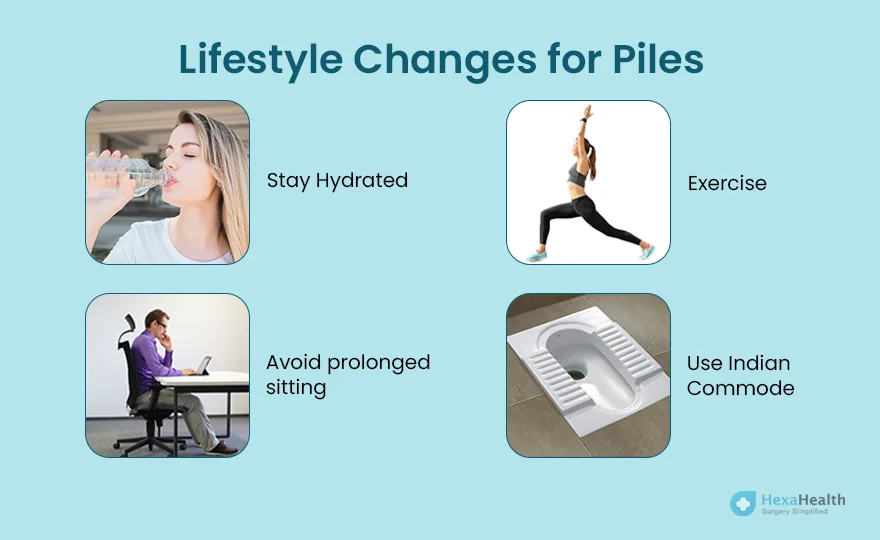
This article explains in detail the important lifestyle changes that can help people suffering from piles.—1. Improve Your Eating HabitsOne of the most important lifestyle changes for piles is improving your diet. Constipation is one of the main causes of piles, and poor eating habits often lead to constipation.Increase Fiber IntakeEating fiber-rich foods helps soften stool and makes it easier to pass. This reduces the need for straining during bowel movements. Include foods like:Fresh fruits (papaya, banana, apple)Vegetables (spinach, cabbage, carrot)Whole grains (brown rice, oats, whole wheat bread)Lentils and beansTry to consume 20–35 grams of fiber daily. However, increase fiber gradually to avoid gas and bloating.Drink Enough WaterWater keeps the digestive system working smoothly. Drink at least 8–10 glasses of water daily. Proper hydration helps fiber work effectively and prevents hard stools.—2. Develop Healthy Bowel HabitsHealthy bowel habits are essential to prevent and manage piles.
Do Not Delay Bowel MovementsWhen you feel the urge to pass stool, go to the toilet immediately. Delaying can cause stool to become dry and hard, increasing the need for straining.Avoid StrainingStraining puts pressure on the rectal veins and worsens piles. Relax and take your time during bowel movements. Avoid forcing stool out.Limit Time on the ToiletSpending too much time sitting on the toilet increases pressure on the anal area. Avoid using mobile phones or reading while in the bathroom. Try to finish within a few minutes.—3. Exercise RegularlyPhysical activity improves blood circulation and promotes regular bowel movements.
A sedentary lifestyle is a major risk factor for piles.Benefits of Exercise:Prevents constipationReduces pressure on rectal veinsHelps maintain healthy weightImproves overall digestive healthSimple exercises such as walking for 30 minutes daily can be very effective. Yoga, swimming, and light stretching also help. Avoid very heavy weightlifting, as it can increase abdominal pressure.—4. Avoid Prolonged SittingSitting for long hours increases pressure on the veins in the anal area.If you work in an office or sit for long periods:Take a short walk every hourStretch your legsUse a soft cushion if neededReducing sitting time helps decrease pressure on the lower body.—5. Maintain a Healthy WeightBeing overweight or obese increases pressure on the pelvic and rectal veins, which can worsen piles.Maintaining a healthy body weight through balanced diet and regular exercise reduces this pressure and lowers the risk of piles.—6. Practice Good Anal HygieneProper hygiene helps reduce irritation and infection.Hygiene Tips:Clean the anal area gently after bowel movementsUse soft, unscented toilet paperWash with lukewarm water if possibleAvoid harsh soaps and scented wipesKeep the area dry to prevent moisture buildupGood hygiene reduces itching and discomfort.—7. Use Warm Sitz BathsA sitz bath involves sitting in warm water for 10–15 minutes. This simple home remedy can be part of a healthy lifestyle.Benefits include:Reducing painRelieving itchingDecreasing inflammationImproving blood circulationIt can be done 2–3 times daily, especially after bowel movements.—8. Manage StressStress can affect digestion and lead to constipation or irregular bowel movements.
To manage stress:Practice deep breathing exercisesTry meditation or yogaGet enough sleepEngage in hobbies and relaxing activitiesA calm mind supports healthy digestion.—9. Avoid Heavy LiftingFrequent heavy lifting increases abdominal pressure, which can worsen piles.If lifting is necessary:Use correct postureAvoid holding your breath while liftingDo not lift extremely heavy objects aloneReducing physical strain protects rectal veins.—10. Quit Smoking and Limit AlcoholSmoking affects blood circulation and slows healing. Alcohol can cause dehydration, leading to constipation.Quitting smoking and limiting alcohol consumption are positive lifestyle changes that improve overall health and reduce piles symptoms.—11. Improve Sleep RoutineGood sleep is important for overall health, including digestion. Poor sleep can increase stress and digestive problems.Aim for 7–8 hours of sleep daily. Maintain a consistent sleep schedule.—12. Wear Comfortable ClothingTight clothing can increase pressure around the waist and anal area. Choose loose, breathable cotton clothes to reduce irritation and allow proper air circulation.—13. Monitor Early SymptomsPay attention to early signs such as:Mild itchingSlight bleedingDiscomfort during bowel movementTaking action early with lifestyle changes can prevent the condition from progressing to severe stages.—14. Create a Daily RoutineA regular daily routine helps regulate digestion.
Example:Drink warm water in the morningEat breakfast at the same time dailyExercise regularlyHave fixed meal timesGo to bed at a consistent timeConsistency improves bowel function and reduces constipation.—Long-Term Benefits of Lifestyle ChangesAdopting healthy lifestyle habits not only helps manage piles but also:Improves digestive healthBoosts immunityMaintains healthy body weightReduces risk of other diseasesEnhances overall well-beingLifestyle changes are natural, safe, and effective. Unlike surgery or medication, they prevent recurrence and provide long-term relief.—ConclusionLifestyle changes are one of the most important aspects of managing and preventing piles. Simple habits such as eating a fiber-rich diet, drinking enough water, exercising regularly, avoiding straining, maintaining healthy weight, and practicing good hygiene can significantly reduce symptoms and prevent complications.
Although piles can cause discomfort and embarrassment, they can often be controlled with proper lifestyle adjustments. Consistency is the key. Small daily changes can make a big difference in long-term health.By following these healthy lifestyle practices, individuals can reduce the risk of piles, improve their digestive system, and enjoy a better quality of life.