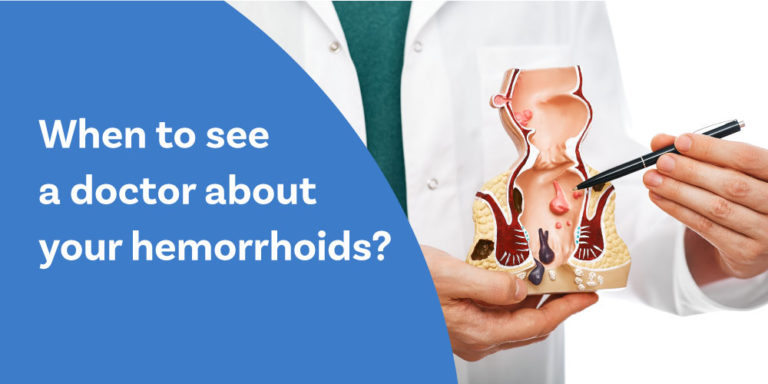

When to See a Doctor for PilesPiles, also known as Hemorrhoids, are swollen and inflamed veins in the lower rectum and anus. They are a common condition and often develop due to constipation, straining during bowel movements, pregnancy, obesity, or prolonged sitting. In many cases, piles can be managed at home with lifestyle changes, a high-fiber diet, and proper hygiene.
However, there are situations when medical attention becomes necessary.Understanding when to see a doctor for piles is very important because some symptoms may indicate complications or other serious health conditions. This article explains the warning signs and situations where professional medical advice is needed.—1. Persistent Rectal BleedingOne of the most common symptoms of piles is bleeding during bowel movements. The blood is usually bright red and appears on toilet paper or in the toilet bowl. Mild and occasional bleeding may not be serious, especially if it improves with dietary changes and home care.However, you should see a doctor if:Bleeding continues for more than one weekBleeding happens frequentlyThe amount of blood is largeYou feel weak, dizzy, or tiredPersistent bleeding can lead to anemia (low red blood cell count). In rare cases, rectal bleeding may be a sign of other conditions such as anal fissures, infections, or even colorectal diseases. A doctor can properly diagnose the cause.—2. Severe or Increasing PainInternal piles usually do not cause much pain, but external piles or thrombosed piles (with blood clots) can be very painful.You should consult a doctor if:Pain is severe and unbearablePain suddenly becomes worsePain does not improve with home remediesSitting or walking becomes very difficultSevere pain may indicate a thrombosed hemorrhoid or a strangulated pile,
which requires medical treatment.—3. Swelling That Does Not Go AwaySmall swelling around the anus is common with external piles. It often improves with proper care. But if swelling becomes large, hard, or very painful, medical attention is necessary.Permanent prolapse (when internal piles remain outside and cannot be pushed back in) is also a reason to see a doctor. Grade III and Grade IV piles usually need medical procedures or surgery.—4. Symptoms Last More Than a WeekIf you try home remedies such as increasing fiber, drinking more water, using warm sitz baths, and avoiding straining, symptoms should improve within a few days.You should see a doctor if:Symptoms continue for more than 7–10 daysThere is no improvement despite lifestyle changesSymptoms keep returningChronic piles may require medication or minimally invasive treatments.—5. Changes in Bowel HabitsAny unusual change in bowel habits should not be ignored.Consult a doctor if you notice:Persistent diarrhea or constipationNarrow stoolsA feeling of incomplete bowel emptyingSudden change in stool patternThese symptoms may not always be related to piles.
They could indicate other digestive issues that need medical evaluation.—6. Signs of InfectionAlthough rare, piles can sometimes become infected.Warning signs of infection include:FeverIncreased redness around the anusPus dischargeSevere swellingWorsening painInfection requires prompt medical treatment with antibiotics or other procedures.—7. Thrombosed HemorrhoidsA thrombosed hemorrhoid occurs when a blood clot forms inside an external pile. It causes:Sudden severe painA hard lump near the anusBlue or purple discolorationSwellingAlthough some thrombosed piles improve on their own, severe cases may require minor surgical removal of the clot. It is best to consult a doctor for proper evaluation.—8. Recurring PilesIf piles keep coming back even after treatment, you should consult a healthcare provider.
Recurrent piles may indicate ongoing issues such as chronic constipation, poor lifestyle habits, or underlying medical conditions.A doctor can recommend advanced treatments such as:Rubber band ligationSclerotherapyInfrared coagulationSurgical removal (hemorrhoidectomy)—9. Symptoms During PregnancyPiles are common during pregnancy due to increased pressure on pelvic veins. Most pregnancy-related piles improve after delivery.However, pregnant women should see a doctor if:Bleeding is heavyPain is severeThere are signs of infectionDoctors can suggest safe treatments during pregnancy.—10. Feeling Weak or FatiguedChronic bleeding from piles may lead to anemia. Symptoms of anemia include:WeaknessFatiguePale skinShortness of breathDizzinessIf you experience these symptoms along with piles, seek medical advice immediately.—11. When Self-Care Is Not EnoughHome remedies are effective for mild piles, including:High-fiber dietDrinking plenty of waterRegular exerciseWarm sitz bathsOver-the-counter creamsIf these measures fail to relieve symptoms, professional treatment may be required.—What to Expect During a Doctor’s VisitMany people feel embarrassed about discussing piles.
However, doctors are trained to handle such conditions professionally.During the visit, the doctor may:Ask about symptoms and medical historyPerform a physical examinationConduct a rectal examRecommend further tests if neededEarly consultation prevents complications and ensures proper treatment.—Importance of Early Medical CareIgnoring severe or persistent symptoms may lead to complications such as:Chronic anemiaStrangulated hemorrhoidsSevere infectionIncreased pain and discomfortTimely medical care ensures faster recovery and prevents worsening of the condition.—ConclusionPiles are common and often manageable with lifestyle changes and home remedies. However, certain symptoms require medical attention.
You should see a doctor if you experience persistent or heavy bleeding, severe pain, swelling that does not improve, signs of infection, changes in bowel habits, or recurring symptoms.Early diagnosis and treatment help prevent complications and provide relief from discomfort. Remember, rectal bleeding and severe anal pain should never be ignored. Consulting a healthcare professional ensures proper care and peace of mind.Taking prompt action when necessary can protect your health and improve your quality of life.