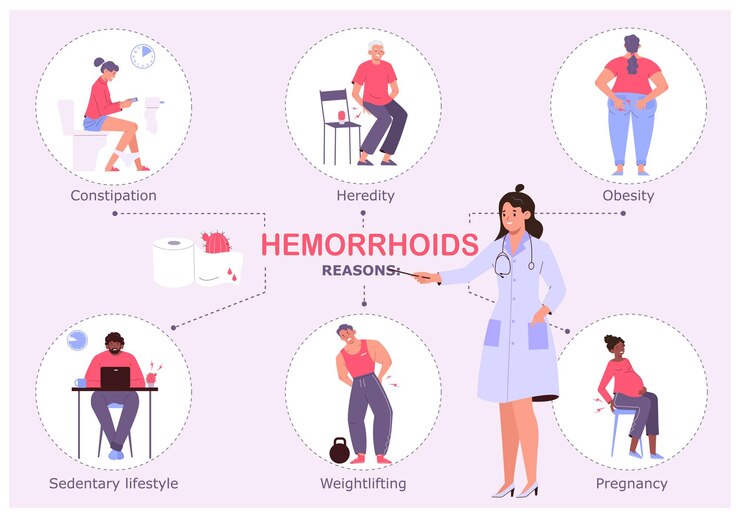
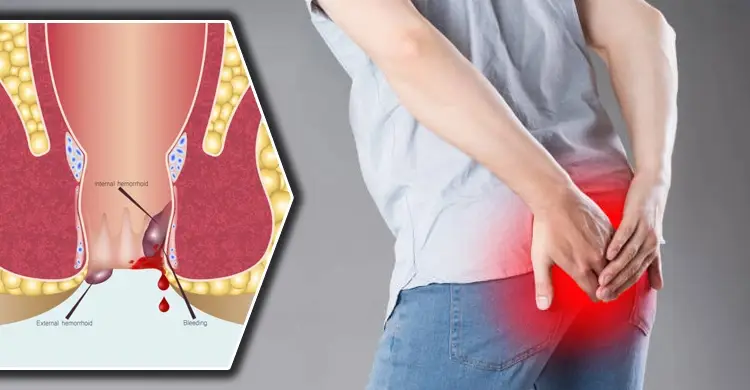
Causes of PilesPiles, also known as Hemorrhoids, are swollen veins in the lower rectum and anus. They are a very common health problem that affects both men and women. Piles can cause pain, itching, bleeding, and discomfort, especially during bowel movements. While many people focus on the treatment of piles, it is equally important to understand the causes. Knowing the causes helps in prevention and early management. This article explains the main causes of piles in detail in simple language.—1. Chronic ConstipationOne of the most common causes of piles is chronic constipation. Constipation means having hard stools or difficulty passing stool regularly.
When a person strains too much during bowel movements, extra pressure is placed on the veins in the rectum and anus. Over time, this pressure causes the veins to swell and become inflamed, leading to piles.A diet low in fiber is a major reason for constipation. Fiber helps soften stool and makes it easier to pass. Without enough fiber, stool becomes dry and hard. As a result, straining becomes common, increasing the risk of piles.—2. Straining During Bowel MovementsStraining is closely related to constipation but can also occur due to other digestive problems.
When a person pushes too hard while passing stool, it increases pressure inside the abdominal cavity and the lower rectum. This pressure stretches the veins in the anal area.Repeated straining over months or years weakens the vein walls. Eventually, they enlarge and form piles. People who delay going to the toilet and hold their stool for a long time are also more likely to strain later, which increases the risk.—3. Prolonged SittingSitting for long periods, especially on the toilet, is another important cause of piles. When someone sits on the toilet for a long time, reading or using a mobile phone, the veins in the anal region experience constant pressure. This reduces proper blood circulation and causes swelling of the veins.Similarly, people who work desk jobs and sit for many hours without movement may also develop piles. Lack of physical activity slows down digestion, which can lead to constipation and increase the chances of piles.—4. Low-Fiber DietA diet low in fiber plays a major role in causing piles.
Fiber adds bulk to stool and helps it pass smoothly through the intestines. Foods such as fruits, vegetables, whole grains, and legumes are rich in fiber.When a person eats too much processed food, fast food, or refined carbohydrates and very little fiber, the digestive system does not function properly. This leads to hard stools and difficulty during bowel movements. Over time, the repeated pressure damages the veins in the anal canal.—5. PregnancyPregnancy is a common cause of piles in women. During pregnancy, the growing uterus puts pressure on the pelvic veins and the lower part of the body. This pressure slows blood return from the lower body and increases the risk of swollen veins.In addition, hormonal changes during pregnancy relax the blood vessel walls, making them more likely to swell. Constipation is also common during pregnancy, which adds more pressure. Many women develop piles during the third trimester or after childbirth.—6. ObesityObesity increases the risk of piles. Excess body weight puts additional pressure on the pelvic and rectal veins. This constant pressure can cause the veins to swell and become inflamed.Obese individuals are also more likely to have poor dietary habits and low physical activity, which further increase the risk of constipation and piles. Maintaining a healthy weight reduces pressure on the veins and helps prevent the condition.—7.
Chronic DiarrheaWhile constipation is a major cause, chronic diarrhea can also lead to piles. Frequent loose stools irritate the lining of the rectum and anus. This repeated irritation causes inflammation and swelling of the veins.People with digestive disorders that cause long-term diarrhea are more likely to experience this problem. The constant need to use the toilet also increases strain on the anal area.—8. Heavy LiftingRegularly lifting heavy objects can increase abdominal pressure. This is common among manual laborers, athletes, and people who perform heavy physical work without proper technique.When a person lifts something heavy, the pressure inside the abdomen rises suddenly. If this happens repeatedly, it weakens the rectal veins and increases the chance of developing piles.—9. AgingAge is another important factor in the development of piles. As people grow older, the tissues that support the veins in the rectum and anus become weaker. The walls of blood vessels lose their elasticity and strength.Because of this natural aging process, older adults are more likely to develop swollen veins.
Even mild straining can cause piles in elderly individuals due to weakened tissues.—10. Family HistoryGenetics may also play a role. If a person’s parents or close relatives have suffered from piles, the risk may be higher. Some people naturally have weaker vein walls or poor blood circulation in the rectal area.Although family history cannot be changed, awareness can help individuals take preventive measures early in life.—11. Lack of Physical ActivityA sedentary lifestyle contributes to piles. Regular exercise improves blood circulation and helps maintain healthy digestion. When a person does not move enough, digestion becomes slow, and constipation may occur.Office workers, students, and people who spend long hours watching television or using computers without physical activity are at greater risk. Even simple activities like walking can help reduce the chances of piles.—12. Anal IntercourseAnal intercourse may increase pressure and cause irritation in the anal region. This can lead to inflammation and swelling of the veins, increasing the risk of piles.
Proper care and precautions are important to reduce the risk.—13. Medical ConditionsCertain medical conditions can increase abdominal pressure and lead to piles. For example, chronic cough due to lung disease increases pressure in the abdomen repeatedly. Similarly, liver disease can affect blood flow in the veins and contribute to swelling.—ConclusionPiles, or hemorrhoids, develop mainly due to increased pressure on the veins of the rectum and anus. The most common causes include chronic constipation, straining during bowel movements, low-fiber diet, prolonged sitting, pregnancy, obesity, heavy lifting, chronic diarrhea, aging, and lack of physical activity.
Understanding these causes is very important for prevention. Most risk factors are related to lifestyle, which means they can be controlled. Eating a high-fiber diet, drinking enough water, exercising regularly, avoiding straining, and maintaining a healthy weight can significantly reduce the risk of piles.Although piles are common and usually not dangerous, they can cause discomfort and affect daily life. Therefore, adopting healthy habits and seeking medical advice when necessary can help prevent and manage this condition effectively.