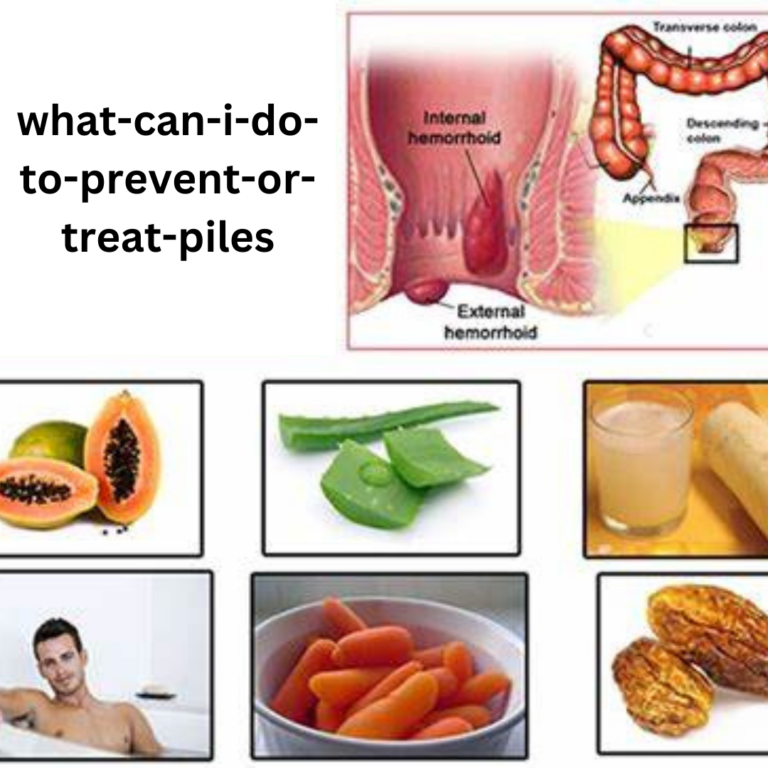
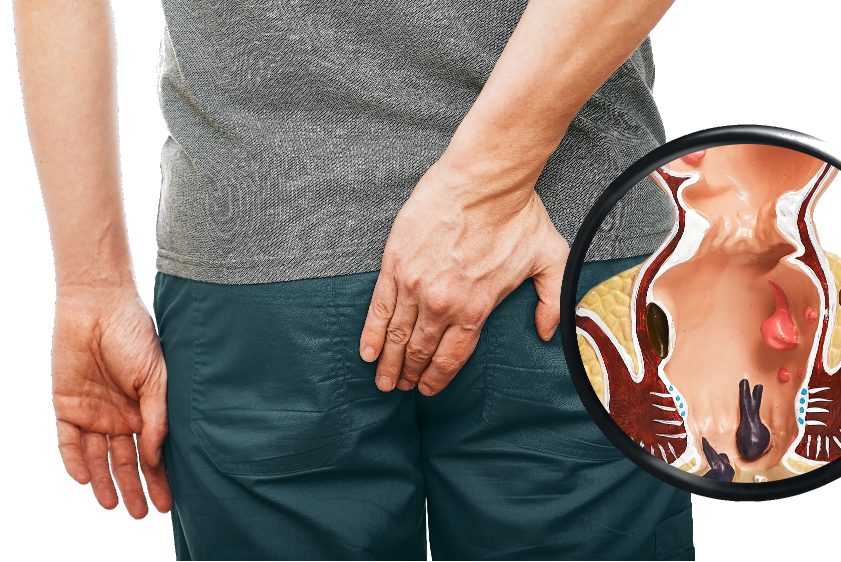
Piles Treatment (Hemorrhoids Treatment)Piles, also known as Hemorrhoids, are swollen and inflamed veins in the lower rectum and anus. They are a very common health problem that affects millions of people around the world. Piles can cause discomfort, pain, itching, and bleeding during bowel movements. Although piles are not usually dangerous, they can seriously affect a person’s daily life. The good news is that piles can be treated in many ways, depending on their severity. This article discusses the causes, types, symptoms, and different treatment methods of piles in detail.—What Are Piles?Piles are swollen blood vessels in the anal canal.
These veins become enlarged due to increased pressure in the lower rectum. This pressure may result from straining during bowel movements, chronic constipation, pregnancy, obesity, or sitting for long periods.Piles can affect people of any age, but they are more common in adults between 45 and 65 years old. However, young people can also develop piles due to unhealthy lifestyle habits.—Types of PilesThere are two main types of piles:1. Internal PilesThese occur inside the rectum. They are usually painless because there are fewer pain-sensitive nerves in this area. However, they may cause bleeding during bowel movements. In some cases, internal piles may come out of the anus (prolapse).2. External PilesThese develop under the skin around the anus.
They can be painful and itchy. Sometimes, blood may clot inside an external pile, forming a thrombosed pile, which can cause severe pain and swelling.—Causes of PilesSeveral factors can lead to the development of piles:Chronic constipationStraining during bowel movementsSitting for long periodsLow-fiber dietPregnancyObesityHeavy liftingChronic diarrheaA diet low in fiber makes stools hard and difficult to pass, increasing pressure on the anal veins. Pregnancy increases pressure on the pelvic veins, which may lead to piles.—Symptoms of PilesThe symptoms depend on the type of piles. Common symptoms include:Bleeding during bowel movements (bright red blood)Pain or discomfort in the anal areaItching or irritation around the anusSwelling around the anusA lump near the anusMucus dischargeIf a person experiences heavy bleeding, dizziness, or severe pain, they should seek medical attention immediately.—Treatment of PilesThe treatment of piles depends on the severity of the condition. In mild cases, lifestyle changes and home remedies are enough. In severe cases, medical procedures or surgery may be required.—1. Home Remedies and Lifestyle ChangesFor mild piles, simple lifestyle changes can provide relief.a) High-Fiber DietEating more fiber helps soften stool and reduces straining. Good sources of fiber include:Fruits (papaya, banana, apple)Vegetables (spinach, carrot, cabbage)Whole grains (brown rice, oats)Legumes (lentils, beans)Doctors usually recommend 20–35 grams of fiber per day.b) Drinking Plenty of WaterDrinking 8–10 glasses of water daily helps prevent constipation.c) Regular ExercisePhysical activity improves digestion and reduces pressure on veins.d) Avoid StrainingDo not strain during bowel movements. Go to the toilet when you feel the urge.e) Avoid Prolonged SittingSitting for long hours, especially on the toilet, increases pressure in the anal area.—2. Medical Treatment (Non-Surgical)If home remedies are not enough, doctors may recommend medicines or non-surgical procedures.a) Topical Creams and OintmentsDoctors may prescribe creams containing hydrocortisone to reduce inflammation and itching. Some creams contain local anesthetics to relieve pain.b) Oral MedicationsPain relievers like paracetamol may reduce discomfort. Stool softeners are also recommended to ease bowel movements.c) Sitz BathA sitz bath involves sitting in warm water for 10–15 minutes, several times a day.
This helps reduce pain and swelling.—3. Minimally Invasive ProceduresIf symptoms persist, doctors may perform non-surgical procedures. These are usually done in a clinic and do not require hospital admission.a) Rubber Band LigationIn this method, a small rubber band is placed around the base of the internal pile. This cuts off blood supply, and the pile shrinks and falls off within a week.b) SclerotherapyA chemical solution is injected into the pile to shrink it.c) Infrared CoagulationA special device uses heat to shrink the hemorrhoid tissue.These procedures are effective for small to medium-sized internal piles.—4. Surgical TreatmentIf piles are large, severely painful, or do not respond to other treatments, surgery may be required.a) HemorrhoidectomyA hemorrhoidectomy is the surgical removal of piles. It is the most effective treatment for severe or recurring piles.
However, recovery may take a few weeks, and there may be some postoperative pain.b) Stapled HemorrhoidopexyThis procedure blocks blood flow to the hemorrhoidal tissue and reduces prolapse. It usually causes less pain than a traditional hemorrhoidectomy.Surgery is usually recommended for Grade III or Grade IV piles.—Prevention of PilesPrevention is better than cure. To prevent piles:Eat a fiber-rich dietDrink plenty of waterExercise regularlyAvoid long sitting periodsMaintain a healthy body weightDo not ignore the urge to pass stoolHealthy lifestyle habits can greatly reduce the risk of developing piles.—Complications of Untreated PilesAlthough piles are not usually serious, untreated cases may cause complications such as:Anemia due to chronic blood lossSevere painInfectionStrangulated hemorrhoid (cut-off blood supply)Early treatment can prevent these complications.—When to See a DoctorYou should consult a doctor if:Bleeding is heavy or frequentPain is severeSymptoms last more than one weekThere is a change in bowel habitsSometimes, bleeding may be a sign of other serious conditions like colorectal cancer.
Therefore, proper diagnosis is important.—ConclusionPiles, or hemorrhoids, are a common but treatable condition. They occur due to increased pressure in the veins of the lower rectum and anus. Symptoms include pain, bleeding, itching, and swelling. Treatment options range from simple lifestyle changes and home remedies to medical procedures and surgery.In most cases, piles can be managed effectively with a high-fiber diet, adequate hydration, and healthy habits. Early diagnosis and treatment help prevent complications and improve quality of life. If symptoms are severe or persistent, medical advice should be sought without delay.By maintaining a healthy lifestyle and proper bowel habits, piles can be prevented and treated successfully.