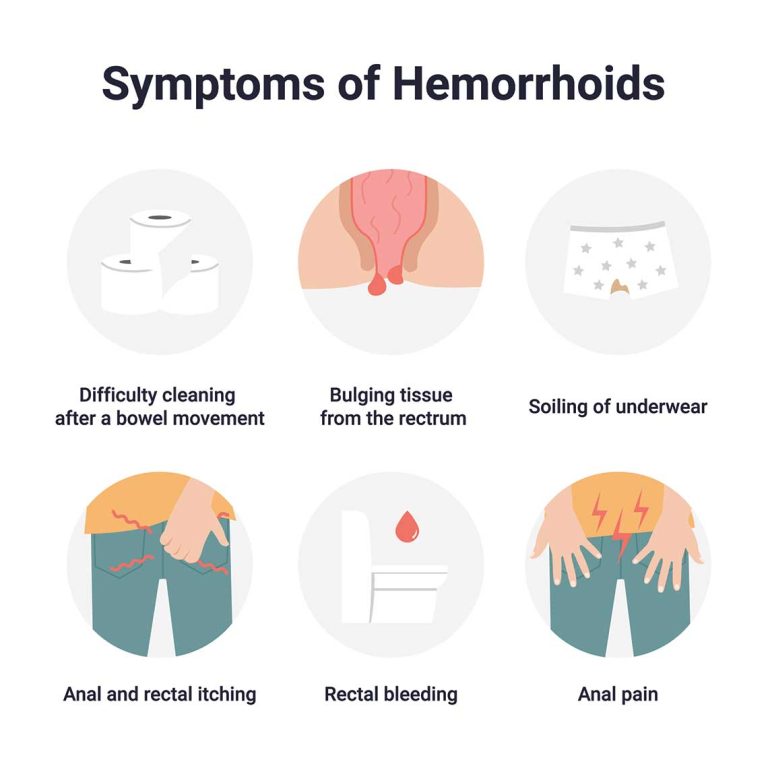
Symptoms of HemorrhoidsHemorrhoids, also known as Hemorrhoids, are swollen and inflamed veins located in the lower rectum and around the anus. They are a common condition that affects many people at some point in their lives. Although hemorrhoids are usually not life-threatening, they can cause significant discomfort and embarrassment. Understanding the symptoms of hemorrhoids is important for early detection and proper treatment. The symptoms may vary depending on the type and severity of the condition.—Types of Hemorrhoids and Their SymptomsThere are two main types of hemorrhoids: internal and external.
Each type has slightly different symptoms.1. Internal HemorrhoidsInternal hemorrhoids develop inside the rectum. Because there are fewer pain-sensitive nerves in this area, internal hemorrhoids usually do not cause pain. However, they may produce other noticeable symptoms.One of the most common symptoms of internal hemorrhoids is painless bleeding during bowel movements. A person may notice bright red blood on toilet paper, on the surface of the stool, or in the toilet bowl. The bleeding is usually mild, but it can be alarming.Another symptom is prolapse. In some cases, internal hemorrhoids may push through the anal opening during straining. This is known as a prolapsed hemorrhoid. A prolapsed hemorrhoid may cause discomfort, irritation, or a feeling of fullness in the anal area. In mild cases, it may go back inside on its own. In more severe cases, it may need to be gently pushed back inside.Mucus discharge can also occur. Some people notice a slimy discharge from the anus, which may cause irritation or itching around the anal area.—2. External HemorrhoidsExternal hemorrhoids form under the skin around the anus.
These are more likely to cause pain because the area contains many sensitive nerves.Pain and discomfort are common symptoms of external hemorrhoids. The pain may increase during sitting, walking, or passing stool. The affected area may feel tender to the touch.Swelling around the anus is another common symptom. A person may feel a small lump or swelling near the anal opening. This lump may be soft or firm.Itching and irritation are also frequent symptoms. The skin around the anus may become red, inflamed, and itchy. Scratching the area can worsen the irritation and may lead to infection.—Thrombosed HemorrhoidsSometimes, blood may collect and form a clot inside an external hemorrhoid. This condition is called a thrombosed hemorrhoid. It can cause sudden and severe pain.A thrombosed hemorrhoid usually appears as a hard, painful lump near the anus. The area may become swollen, inflamed, and discolored (blue or purple). The pain is often intense, especially during sitting or bowel movements.Although thrombosed hemorrhoids can be very painful, the clot may gradually dissolve on its own over time.—Common Symptoms of HemorrhoidsRegardless of the type, several symptoms are commonly associated with hemorrhoids:1. Rectal BleedingRectal bleeding is one of the most noticeable symptoms. The blood is usually bright red because it comes from swollen veins near the surface. Bleeding often occurs during or after passing stool. While hemorrhoids are a common cause of rectal bleeding,
it is important to consult a doctor to rule out other serious conditions.2. Anal PainPain is more common with external or thrombosed hemorrhoids. The severity of pain may vary from mild discomfort to severe throbbing pain. Pain often becomes worse when sitting for long periods.3. Itching (Pruritus Ani)Persistent itching around the anus is another common symptom. This occurs due to irritation from mucus discharge or incomplete cleaning after bowel movements.4. Swelling or LumpA lump near the anus is often a sign of external hemorrhoids. The lump may feel soft or hard. In some cases, the lump may be painful and sensitive.5. Feeling of Incomplete Bowel MovementSome people with hemorrhoids feel as though they have not completely emptied their bowels after using the toilet. This sensation can cause repeated attempts to pass stool, which may worsen the condition.—Symptoms Based on Severity (Grades)Internal hemorrhoids are sometimes classified into four grades based on severity:Grade I: No prolapse, only bleeding.Grade II: Prolapse during straining but returns on its own.Grade III: Prolapse that must be pushed back manually.Grade IV: Permanently prolapsed and cannot be pushed back.As the grade increases, symptoms such as discomfort, irritation, and pain usually become more severe.—When to See a DoctorAlthough hemorrhoids are common and often mild, certain symptoms require medical attention. You should consult a doctor if:Bleeding is heavy or frequentPain is severeSymptoms last more than one weekThere is dizziness or weakness due to blood lossThere is a change in bowel habitsSometimes, symptoms similar to hemorrhoids may be caused by other conditions such as anal fissures, infections, or colorectal diseases.
Therefore, proper diagnosis is important.—Impact on Daily LifeHemorrhoid symptoms can affect daily activities. Sitting for long hours may become uncomfortable. Walking, exercising, or even sleeping may be disturbed due to pain or itching. Some people feel embarrassed and avoid social situations because of their symptoms.Persistent discomfort may also affect mental well-being. Anxiety about bleeding or pain can cause stress. Early recognition of symptoms helps prevent complications and improves quality of life.—Possible ComplicationsIf symptoms are ignored, complications may occur. Chronic blood loss from hemorrhoids may lead to anemia.
Severe prolapse may cause strangulation, where the blood supply to the hemorrhoid is cut off, leading to intense pain and swelling.In rare cases, infection may develop if the irritated skin becomes damaged.—ConclusionHemorrhoids are swollen veins in the rectal and anal region that can cause various uncomfortable symptoms. The most common symptoms include rectal bleeding, itching, pain, swelling, and the presence of a lump near the anus. Internal hemorrhoids often cause painless bleeding, while external hemorrhoids are more likely to cause pain and discomfort. Thrombosed hemorrhoids can result in severe pain and swelling.Although hemorrhoids are usually not dangerous, their symptoms can significantly affect a person’s comfort and daily activities.
Recognizing the symptoms early allows for timely treatment and prevention of complications. If symptoms are severe, persistent, or unusual, seeking medical advice is essential for proper diagnosis and care.By understanding the symptoms of hemorrhoids, individuals can take steps to manage the condition effectively and maintain better overall health.