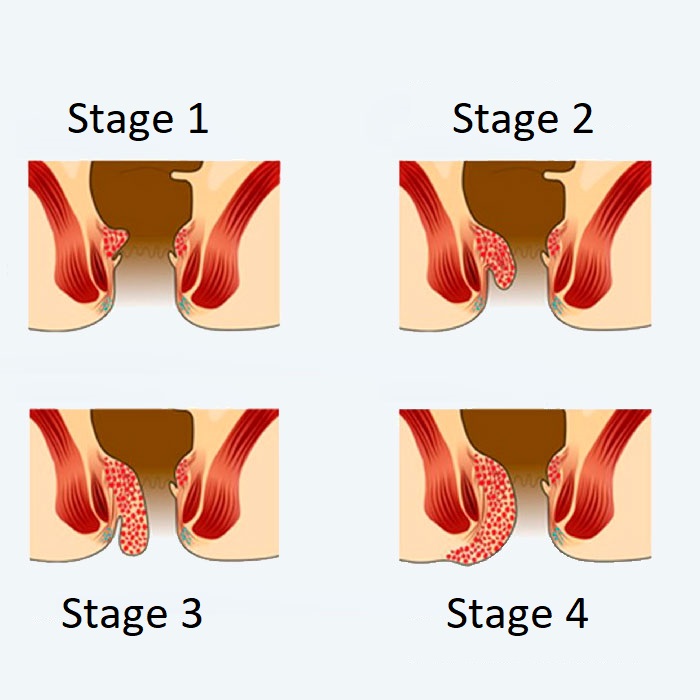
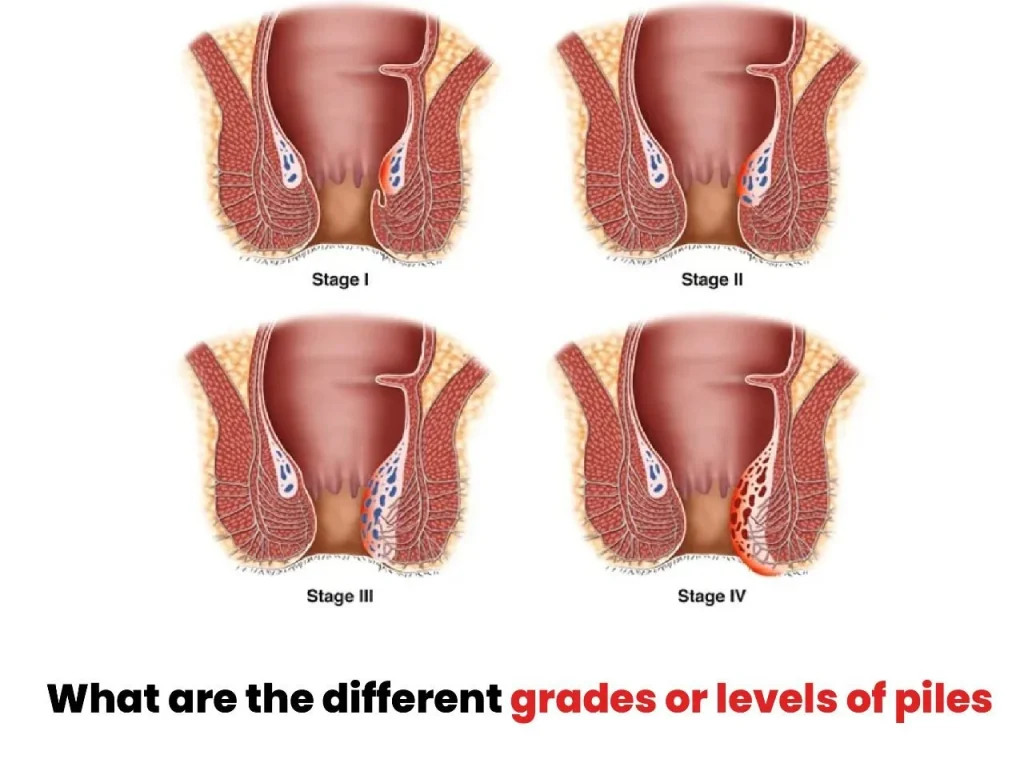
Stages of PilesPiles, also known as Hemorrhoids, are swollen and inflamed veins in the lower rectum and anus. They are a common medical condition that can affect people of all ages, although they are more common in adults. Piles can cause discomfort, bleeding, itching, and pain. The severity of piles depends on their stage. Understanding the stages of piles is important because treatment and management vary according to the level of severity.Piles are mainly classified into internal and external types. However, when doctors talk about “stages” or “grades,” they usually refer to internal piles. Internal piles are divided into four stages: Grade I, Grade II, Grade III, and Grade IV.
Each stage has specific characteristics and symptoms.—Overview of Internal and External PilesBefore discussing the stages in detail, it is important to understand the difference between internal and external piles.Internal piles develop inside the rectum. They are usually painless in the early stages because there are fewer pain-sensitive nerves in that area. External piles develop under the skin around the anus and are often more painful. External piles are not usually divided into stages like internal piles, but they can become severe if thrombosis (blood clot formation) occurs.The grading system mainly applies to internal piles.—Grade I Piles (First Stage)Grade I piles are the earliest and mildest stage of internal hemorrhoids.In this stage, the swollen veins are present inside the rectum but do not protrude outside the anus. The person may not even realize they have piles at this stage because the symptoms are usually mild.Symptoms of Grade I Piles:Painless bleeding during bowel movementsBright red blood on toilet paper or stoolMild discomfort or irritationThere is no visible lump outside the anus in this stage. The piles remain inside and do not prolapse (come out).
Treatment for Grade I:Grade I piles can usually be treated with simple lifestyle changes such as:Eating a high-fiber dietDrinking plenty of waterAvoiding straining during bowel movementsRegular exerciseWith proper care, Grade I piles can improve without medical procedures.—Grade II Piles (Second Stage)Grade II piles are more advanced than Grade I but are still considered moderate.In this stage, the hemorrhoids prolapse (come out) during bowel movements due to straining. However, they return to their original position inside the rectum on their own after the bowel movement.Symptoms of Grade II Piles:Bleeding during bowel movementsProlapse during strainingItching or irritationMild pain or discomfortThe prolapse may cause a feeling of fullness or incomplete evacuation of stool.Treatment for Grade II:Treatment may include:Dietary and lifestyle modificationsStool softenersSitz baths (warm water bath for the anal area)Non-surgical procedures like rubber band ligation or sclerotherapyIf treated early, Grade II piles can be managed effectively without surgery.—Grade III Piles (Third Stage)Grade III piles are more severe and uncomfortable.In this stage, the hemorrhoids prolapse during bowel movements and do not return inside on their own. The person must push them back manually with a finger.Symptoms of Grade III Piles:Frequent bleedingNoticeable prolapsePain and discomfortSwelling around the anusMucus dischargeThe protruding hemorrhoid may cause difficulty in sitting or walking comfortably.
Hygiene may also become difficult due to mucus discharge.Treatment for Grade III:Lifestyle changes alone are usually not enough at this stage. Treatment options may include:Rubber band ligationInfrared coagulationSurgical proceduresDoctors may recommend minor surgical interventions if non-surgical methods fail.—Grade IV Piles (Fourth Stage)Grade IV piles are the most severe stage.In this stage, the hemorrhoids remain prolapsed outside the anus and cannot be pushed back inside. They are permanently outside and may become swollen, inflamed, or thrombosed (develop blood clots).Symptoms of Grade IV Piles:Severe painConstant prolapseHeavy bleedingSwelling and inflammationRisk of thrombosis or strangulationStrangulated hemorrhoids occur when the blood supply to the prolapsed pile is cut off. This condition causes intense pain and requires immediate medical attention.Treatment for Grade IV:Surgery is usually necessary at this stage. Common surgical options include:Hemorrhoidectomy (surgical removal of piles)Stapled hemorrhoidopexyRecovery may take a few weeks, but surgery provides long-term relief in most cases.—External Piles and Their SeverityAlthough external piles are not graded in the same way, they can vary in severity. Mild external piles may cause itching and discomfort.
However, if a blood clot forms (thrombosed external hemorrhoid), it can cause sudden, severe pain and swelling.In such cases, medical treatment or minor surgery may be required.—Complications in Advanced StagesAs piles progress from Grade I to Grade IV, the risk of complications increases. Some possible complications include:Chronic blood loss leading to anemiaSevere pain due to thrombosisInfectionStrangulation of prolapsed hemorrhoidsIgnoring symptoms in the early stages may lead to more serious problems later.—Importance of Early DetectionRecognizing the early stage of piles is very important. Many people feel embarrassed and avoid seeking medical advice. However, early diagnosis and treatment can prevent the condition from progressing to more severe stages.Simple lifestyle changes in the first and second stages can stop further damage to the veins.
Maintaining proper hygiene, avoiding constipation, and staying physically active are key preventive measures.—Prevention at All StagesRegardless of the stage, prevention plays a crucial role in managing piles. Important preventive steps include:Eating fiber-rich foods such as fruits, vegetables, and whole grainsDrinking 8–10 glasses of water dailyAvoiding prolonged sittingExercising regularlyNot delaying bowel movementsAvoiding excessive strainingThese habits reduce pressure on rectal veins and lower the risk of progression.—ConclusionPiles, or hemorrhoids, are classified into four stages based on their severity. Grade I is mild and usually involves painless bleeding. Grade II involves temporary prolapse that returns on its own. Grade III requires manual repositioning of the prolapsed hemorrhoid. Grade IV is the most severe stage, where the hemorrhoid remains permanently outside and often requires surgery.Understanding the stages of piles helps in choosing the correct treatment and preventing complications.
Early intervention through lifestyle changes and medical care can stop the progression of the disease. Although piles can cause discomfort and embarrassment, they are treatable at all stages with proper management and medical guidance.By recognizing symptoms early and adopting healthy habits, individuals can effectively manage piles and improve their quality of life.