Exercises for Piles ReliefPiles, also known as Hemorrhoids, are swollen veins in the lower rectum and anus. They can cause pain, itching, swelling, and bleeding, especially during bowel movements. While medication and diet play an important role in treatment, exercise is also very effective in relieving symptoms and preventing recurrence. Regular physical activity improves blood circulation, prevents constipation, reduces pressure on rectal veins, and strengthens pelvic muscles.This article explains the best exercises for piles relief in simple and clear language.—Why Exercise Is Important for PilesLack of movement is one of the major causes of piles.
Sitting for long periods, obesity, and constipation increase pressure in the lower body. Exercise helps in the following ways:Improves blood flow in the pelvic regionPrevents constipationStrengthens pelvic floor musclesReduces inflammationHelps maintain healthy body weightGentle exercises are best for piles patients. Heavy weightlifting and strenuous workouts should be avoided during painful stages.—1. WalkingWalking is the simplest and safest exercise for piles relief. It improves digestion and prevents constipation, which is one of the main causes of hemorrhoids.How It Helps:Stimulates bowel movementReduces pressure in rectal veinsImproves circulationSupports weight controlHow to Do:Walk at a moderate speed20–30 minutes dailyPreferably after mealsWalking regularly can significantly reduce piles discomfort over time.—2. Kegel ExercisesKegel exercises strengthen the pelvic floor muscles. These muscles support the rectum and anus, and strengthening them helps control bowel movements and reduce pressure.How to Identify Pelvic Muscles:Try stopping urine flow while urinating.
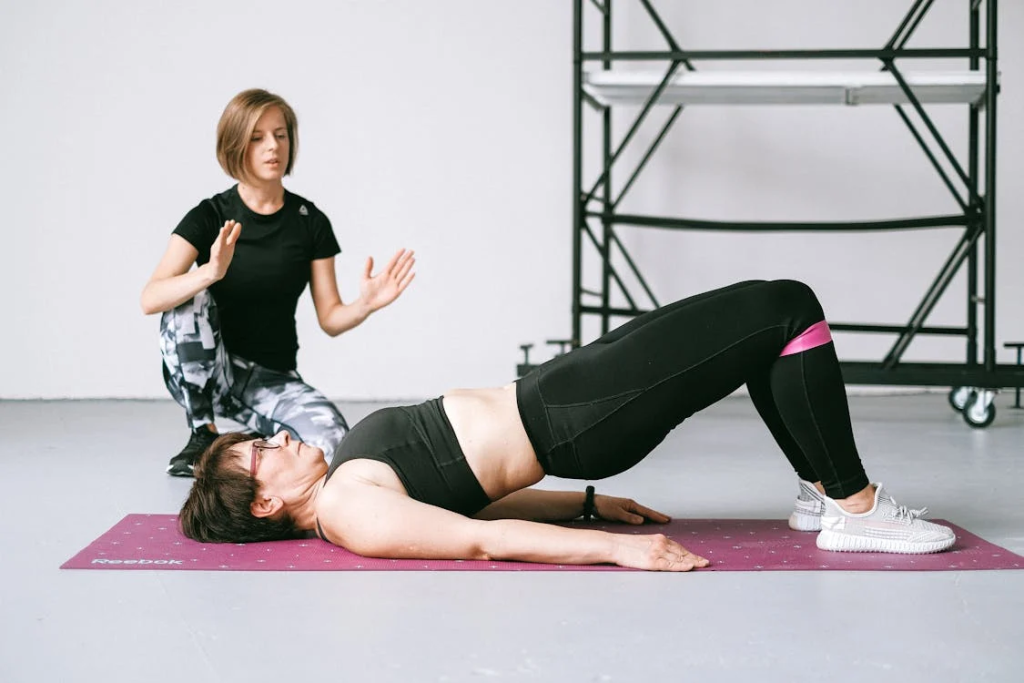
The muscles used are your pelvic floor muscles.How to Perform Kegel Exercise:1. Tighten pelvic muscles2. Hold for 5 seconds3. Relax for 5 seconds4. Repeat 10–15 times5. Perform 3 sets dailyKegel exercises improve blood circulation in the anal area and promote healing.—3. Deep Breathing ExerciseDeep breathing relaxes abdominal muscles and reduces strain during bowel movement.Steps:Sit or lie comfortablyInhale deeply through your noseExpand your abdomenExhale slowly through your mouthRepeat for 5–10 minutesDeep breathing reduces stress, which may indirectly improve digestion and prevent constipation.—4. Pelvic Tilt ExercisePelvic tilt strengthens abdominal and pelvic muscles.How to Do:1. Lie on your back2. Bend your knees3. Keep feet flat on the floor4. Tighten your abdominal muscles5. Press your lower back into the floor6. Hold for 5 seconds7. Relax and repeat 10 timesThis exercise supports the lower abdomen and reduces pressure on rectal veins.—5. Bridge PoseBridge pose improves blood flow in the pelvic region.Steps:1. Lie on your back2. Bend knees and place feet on the floor3. Keep arms beside your body4.
Slowly lift hips upward5. Hold for 10 seconds6. Lower slowly7. Repeat 10 timesThis exercise strengthens lower back and pelvic muscles.—6. Child’s Pose (Yoga)Child’s pose is a gentle yoga position that relaxes the pelvic muscles and improves circulation.How to Perform:1. Kneel on the floor2. Sit back on your heels3. Bend forward4. Stretch arms forward5. Rest forehead on the floor6. Hold for 30–60 secondsThis pose reduces pressure in the anal area and relieves discomfort.—7. Wind-Relieving PoseThis yoga pose helps relieve gas and improves digestion.Steps:1. Lie on your back2. Bring one knee toward your chest3. Hold with both hands4.
Press gently5. Hold for 20 seconds6. Switch legsGood digestion prevents constipation and reduces strain during bowel movement.—8. SwimmingSwimming is a low-impact exercise that improves overall blood circulation without putting pressure on the anal area.Benefits:Gentle on jointsReduces inflammationImproves cardiovascular healthPromotes weight lossSwimming 2–3 times a week is helpful for piles patients.—9. Light StretchingStretching improves flexibility and blood flow.Examples:Hamstring stretchSide stretchGentle spinal twistAvoid deep squats or intense stretches if they cause pain.—10. Avoid Heavy ExercisesSome exercises may worsen piles symptoms.Avoid:Heavy weightliftingIntense cycling on hard seatsStraining during gym workoutsProlonged sitting exercisesStraining increases pressure in rectal veins and can worsen swelling.—Exercise Routine for Piles ReliefA simple daily routine may include:20 minutes walking10 minutes Kegel exercises5 minutes deep breathing5–10 minutes yoga stretchingThis balanced routine supports digestion and pelvic strength.—Tips for Safe ExerciseStart slowlyAvoid pain during exerciseStay hydratedWear comfortable clothingStop if bleeding increasesIf piles are very painful or bleeding heavily, consult a doctor before starting exercise.—Additional Lifestyle SupportExercise works best when combined with:High-fiber dietDrinking 8–10 glasses of water dailyAvoiding long sitting hoursMaintaining healthy body weightAvoiding straining during bowel movementHealthy habits reduce the risk of piles recurrence.—When to Stop ExerciseStop exercising and seek medical advice if you experience:Severe painHeavy bleedingDizzinessIncreased swellingIn advanced cases of hemorrhoids, medical treatment may be necessary.—ConclusionExercise plays a vital role in relieving piles symptoms and preventing future problems.
Gentle activities like walking, Kegel exercises, yoga, swimming, and stretching improve blood circulation and strengthen pelvic muscles. These exercises reduce constipation and lower pressure in rectal veins.However, heavy exercises and straining should be avoided. A regular routine combined with a healthy diet and hydration gives the best results. With consistent effort, exercise can greatly reduce discomfort and improve quality of life for piles patients.