Best Sitting Position for PilesPiles, also known as Hemorrhoids, are swollen and inflamed veins in the lower rectum and anus. They can cause pain, itching, swelling, and bleeding, especially during bowel movements or prolonged sitting. Since sitting increases pressure on the anal area, choosing the right sitting position is very important for people suffering from piles. Proper sitting posture can reduce discomfort, improve blood circulation, and prevent the condition from worsening.This article explains in detail the best sitting positions for piles patients and practical tips to reduce pain and pressure while sitting.—Why Sitting Position MattersWhen a person sits, especially on a hard surface, the body weight puts pressure on the lower back, hips, and anal area.
For someone with piles, this pressure can increase swelling of the hemorrhoidal veins, leading to pain and irritation.Prolonged sitting also reduces blood circulation in the pelvic region. Poor circulation may worsen inflammation and delay healing. Therefore, correct sitting posture and habits are essential for comfort and recovery.—1. Use a Soft Cushion or Donut PillowOne of the best ways to sit comfortably with piles is by using a soft cushion. A specially designed donut-shaped pillow can reduce direct pressure on the anal area.Benefits of Using a Cushion:Reduces pressure on swollen veinsMinimizes pain and discomfortImproves sitting postureAllows longer sitting without irritationHowever, donut cushions should not be used for very long periods every day because they may sometimes increase pressure around the surrounding area. A soft, flat cushion is often more balanced for daily use.—2. Sit Upright with Proper Back SupportMaintaining an upright sitting position helps distribute body weight evenly.Correct Sitting Posture:Keep your back straightRest your shoulders naturallyKeep both feet flat on the floorAvoid leaning too far forward or backwardUsing a chair with proper lumbar support can reduce pressure on the lower body.
Slouching increases pressure on the pelvic area and may worsen piles symptoms.—3. Avoid Sitting for Long PeriodsEven with the best posture, sitting for long hours can increase pressure in the anal region.Tips:Take a short break every 30–60 minutesStand up and walk for a few minutesStretch gently to improve blood flowRegular movement reduces pressure on the rectal veins and helps prevent worsening of piles.—4. Best Sitting Position at WorkFor office workers or students who sit for long hours:Adjust your chair height so that your knees are slightly lower than your hipsKeep your feet flat on the floorUse a footrest if necessarySit on a padded chair rather than a hard surfaceErgonomic chairs are helpful because they provide proper back support and distribute weight evenly.—5. Sitting Position During Bowel MovementThe position during bowel movement is very important for piles patients.Squatting PositionThe natural squatting position is considered one of the best positions for easy bowel movement. It aligns the rectum in a straight line, making stool passage easier and reducing the need for straining.In Western-style toilets, this can be achieved by placing a small footstool under your feet while sitting. Raising your knees above hip level helps mimic the squatting position.Benefits:Reduces strainingPromotes complete bowel emptyingDecreases pressure on hemorrhoidal veinsAvoid sitting on the toilet for long periods. Try to finish within a few minutes.—6. Sitting Cross-Legged on the FloorSitting cross-legged can sometimes reduce direct pressure on the anal area compared to sitting on hard chairs.
However, this position may not be comfortable for everyone, especially older adults.If you choose to sit cross-legged:Use a soft mat or cushionAvoid staying in the position too longChange positions frequently—7. Avoid Hard SurfacesSitting directly on hard surfaces like wooden benches or concrete floors increases pressure on piles.Whenever possible:Use padded seatingCarry a portable cushion if neededAvoid sitting on cold surfaces, as cold may increase discomfort—8. Slight Forward Lean PositionLeaning slightly forward while sitting can reduce pressure on the lower back and pelvic area. Keep your elbows resting gently on your thighs and maintain a straight spine.This position may provide temporary relief but should not replace proper posture.—9. Reclining Position for ReliefWhen pain becomes severe, sitting may not be comfortable at all. In such cases, lying down on your side (especially left side) can reduce pressure on the anal veins.Side-lying position helps:Improve blood circulationReduce swellingProvide pain reliefAvoid lying flat on your back for long periods if it increases pressure.—10. Warm Sitz Bath PositionAlthough not exactly a sitting posture for daily activities, sitting in warm water (sitz bath) is highly beneficial for piles.
How to Do:Sit in a tub with warm water covering the anal areaStay for 10–15 minutesRepeat 2–3 times dailyThis position relaxes muscles, reduces swelling, and improves blood flow.—11. Driving PositionFor people who drive long distances:Adjust the car seat to support your lower backSit upright rather than leaning backwardUse a small cushion for comfortTake breaks during long drivesStopping every hour to walk for a few minutes helps prevent discomfort.—12. Combine Sitting with Healthy HabitsEven the best sitting position cannot fully prevent piles without other healthy habits.Combine good sitting posture with:High-fiber dietDrinking plenty of waterRegular exerciseAvoiding strainingMaintaining healthy weightLifestyle changes play a major role in reducing symptoms.—Common Sitting Mistakes to AvoidSitting on the toilet for too longSlouching while workingSitting continuously without breaksUsing very hard chairsCrossing legs tightly for long periodsCorrecting these habits reduces pressure on rectal veins.—ConclusionFor people suffering from piles, sitting position plays an important role in managing symptoms and preventing complications.
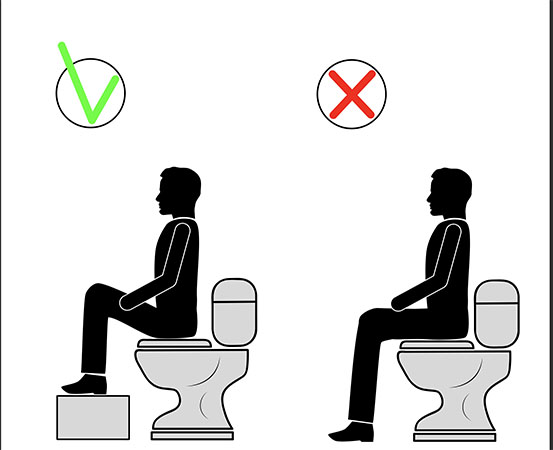
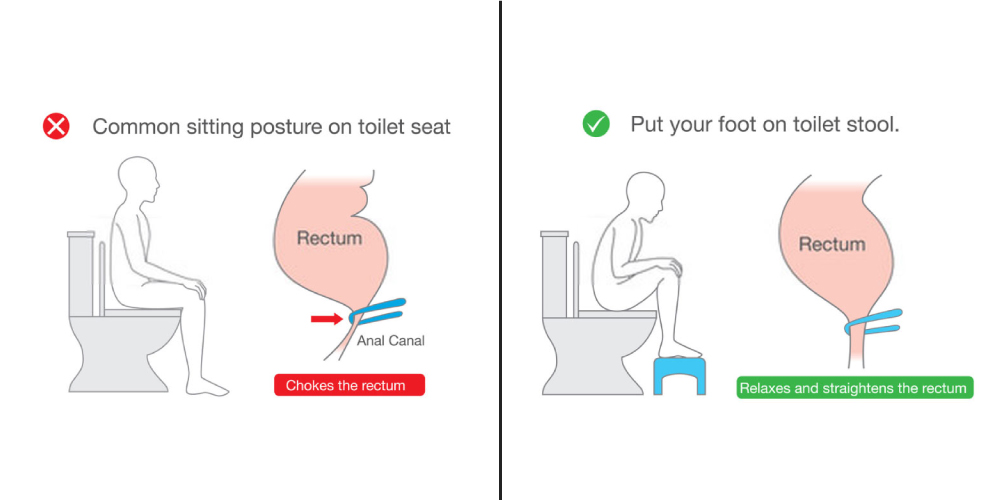
The best sitting position includes sitting upright with proper back support, using a soft cushion, keeping feet flat on the floor, and avoiding prolonged sitting.During bowel movements, adopting a squatting position or using a footstool can reduce straining and pressure on hemorrhoidal veins. Taking regular breaks, avoiding hard surfaces, and maintaining good posture significantly improve comfort.Although sitting adjustments provide relief, they should be combined with healthy diet, hydration, and exercise for best results. By adopting proper sitting habits and lifestyle changes, individuals with piles can reduce pain, promote healing, and improve overall quality of life.