Grade 1 & Grade 2 Piles Treatment —piles, also known as hemorrhoids, are a common health problem caused by swollen veins in the rectum or anus. Many people suffer from this condition due to poor diet, constipation, or unhealthy lifestyle habits. The good news is that Grade 1 and Grade 2 piles are mild to moderate conditions and can usually be treated effectively without surgery.
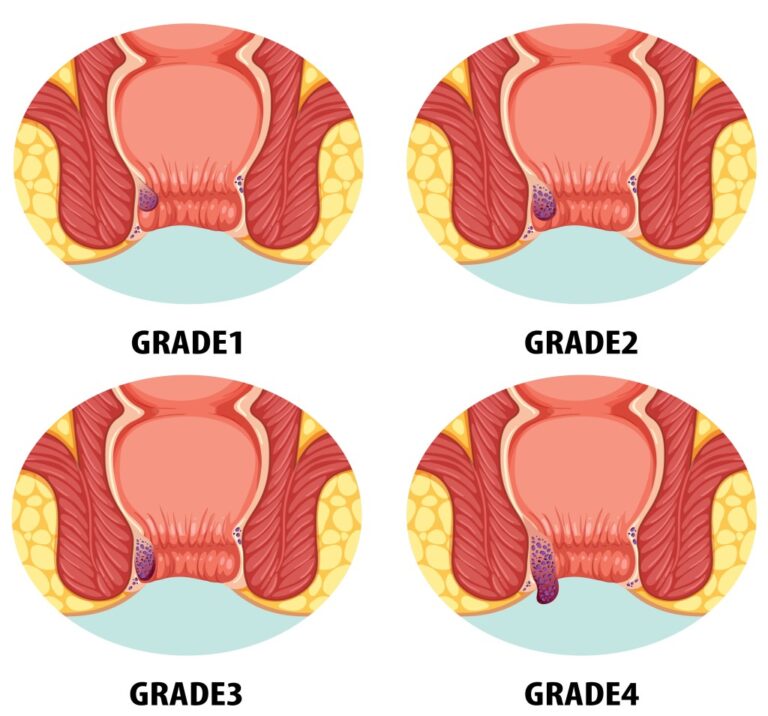
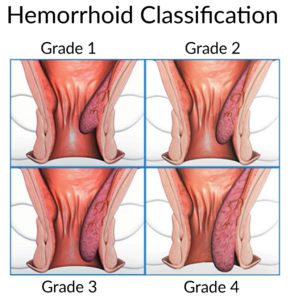
In this article, we will discuss in detail the treatment options, causes, symptoms, and prevention methods for Grade 1 and Grade 2 piles.—What Are Grade 1 and Grade 2 Piles?Piles are classified into four grades based on severity:Grade 1 PilesSmall swelling inside the rectumDo not come out (no prolapse)May cause painless bleedingGrade 2 PilesProlapse during bowel movementsGo back inside automaticallyMay cause discomfort and mild painThese two stages are considered early and are highly manageable with proper care.—Causes of Grade 1 & Grade 2 PilesSeveral factors contribute to piles:Chronic constipationStraining during bowel movementsLow-fiber dietInadequate water intakeSedentary lifestyleObesityPregnancySitting for long periods—Symptoms of Grade 1 & Grade 2 PilesRecognizing symptoms early helps in quick treatment:Bright red bleeding during stoolMild discomfort or irritationItching around the anusFeeling of incomplete bowel movementSlight swelling (in Grade 2 cases)—Treatment of Grade 1 & Grade 2 PilesThe treatment focuses mainly on relieving symptoms and preventing progression.—1. Dietary Changes (Most Important)A proper diet is the foundation of piles treatment.High-Fiber FoodsFiber softens stool and reduces strain.
Recommended foods:Fruits: banana, papaya, appleVegetables: spinach, carrots, cabbageWhole grains: oats, brown riceLegumes: lentils, beansHydrationDrink at least 8–10 glasses of water daily to avoid constipation.—2. Lifestyle ModificationsRegular ExerciseLight activities like walking improve digestion and bowel movement.Avoid Prolonged SittingSitting for long hours increases pressure on rectal veins.Do Not Delay Bowel MovementIgnoring the urge can worsen constipation.Avoid StrainingStraining is one of the main causes of piles worsening.—3. Home RemediesSitz BathSoak the anal area in warm water for 10–15 minutes.
This reduces pain and inflammation.Cold CompressApplying ice packs can help reduce swelling and discomfort.Natural OilsUsing coconut oil or aloe vera may provide soothing relief (use with care).—4. MedicationsDoctors may prescribe medications to manage symptoms:Topical CreamsHelp reduce itching, swelling, and discomfort.Stool SoftenersPrevent constipation and ease bowel movements.Pain RelieversReduce discomfort and irritation.Anti-inflammatory DrugsControl swelling and inflammation. Always consult a doctor before taking any medication.—5. Minimally Invasive TreatmentsIf symptoms persist, doctors may recommend non-surgical procedures:—Rubber Band LigationA rubber band is placed around the hemorrhoid to cut off blood supply.
It shrinks and falls off within days.—SclerotherapyA chemical injection is used to shrink the hemorrhoid.—Infrared Coagulation (IRC)Heat is applied to reduce blood flow and shrink the piles.—Laser TreatmentLaser energy shrinks hemorrhoidal tissue with minimal pain and quick recovery.—How Long Does Recovery Take?Grade 1 piles: Improve within 5–7 days with proper careGrade 2 piles: May take 1–3 weeks depending on treatmentConsistency in following diet and lifestyle changes is key.—Prevention TipsPreventing piles from worsening is very important:Eat fiber-rich foods dailyDrink enough waterExercise regularlyAvoid junk and spicy foodsMaintain healthy body weightPractice good toilet habits—When to See a Doctor?Seek medical help if you notice:Frequent or heavy bleedingPersistent painNo improvement with home treatmentProlapse that doesn’t go back—Advantages of Early TreatmentTreating Grade 1 and Grade 2 piles early has many benefits:Avoids surgeryFaster recoveryLower costPrevents complicationsImproves quality of life—ConclusionGrade 1 and Grade 2 piles are manageable conditions that can be effectively treated without surgery. With proper diet, lifestyle changes, home remedies, and medical care, most people can recover fully within a short time.
The key to successful treatment is early action and consistency. Ignoring symptoms may lead to more severe stages that require surgical intervention.Piles is a common and treatable condition—there is no need to feel embarrassed. By maintaining healthy habits and seeking timely treatment, you can live a comfortable and pain-free life.