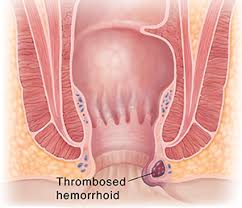
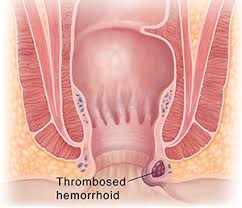
Thrombosed Hemorrhoid Treatment –A thrombosed hemorrhoid is one of the most painful forms of piles. It occurs when a blood clot (thrombus) forms inside an external hemorrhoid, leading to severe pain, swelling, and discomfort around the anus. Although this condition can be alarming, the good news is that it is treatable with both home care and medical interventions.In this article, we will explore the causes, symptoms, and most importantly, the treatment options for thrombosed hemorrhoids.—What Is a Thrombosed Hemorrhoid?A thrombosed hemorrhoid develops when blood pools in an external hemorrhoid and forms a clot.
This clot blocks normal blood flow, causing increased pressure, inflammation, and intense pain.It usually appears as a hard, bluish lump near the anus and can be very sensitive to touch.—Causes of Thrombosed HemorrhoidsSeveral factors can lead to the formation of a thrombosed hemorrhoid:Severe constipationStraining during bowel movementsSitting for long periodsHeavy liftingPregnancyChronic diarrheaLow-fiber dietThese factors increase pressure in the anal veins, leading to clot formation.—SymptomsThe symptoms of thrombosed hemorrhoids are more intense than regular piles:Severe and sudden pain around the anusA hard lump near the anal openingSwelling and inflammationBluish or purple discolorationItching or irritationDifficulty sitting or walkingIn some cases, mild bleeding may occur.—Treatment OptionsTreatment depends on the severity of the condition and how early it is diagnosed.—1. Home Treatment (Mild Cases)For less severe cases, symptoms may improve within a few days with proper home care.Sitz BathSoak the affected area in warm water for 15–20 minutes, 2–3 times a day.
This helps reduce pain and swelling.Cold CompressApplying ice packs can numb the area and reduce inflammation.Pain ReliefOver-the-counter pain relievers can help manage discomfort.High-Fiber DietEating fiber-rich foods prevents constipation and reduces strain.HydrationDrink plenty of water to keep stools soft.—2. MedicationsDoctors may recommend medications to control symptoms:Topical CreamsHelp reduce pain, itching, and inflammation.Anti-inflammatory DrugsReduce swelling and irritation.Stool SoftenersMake bowel movements easier and less painful.—3. Medical Procedures (Non-Surgical)If the pain is severe or does not improve, minor procedures may be required.Thrombectomy (Clot Removal)This is a simple outpatient procedure where the doctor makes a small incision and removes the blood clot.Provides immediate pain reliefBest performed within 48–72 hours of symptom onsetRubber Band LigationUsed in some cases to cut off blood supply to the hemorrhoid.—4. Surgical TreatmentIn rare or severe cases, surgery may be needed to remove the hemorrhoid completely.
However, this is usually avoided unless absolutely necessary.—Recovery TimeMild cases: improve within 3–7 daysAfter thrombectomy: relief is often immediate, with healing in 1–2 weeksFull recovery: usually within 2–3 weeks—Post-Treatment CareProper care is essential for healing and preventing recurrence:Maintain a high-fiber dietDrink enough waterAvoid strainingKeep the area clean and dryAvoid prolonged sittingFollow doctor’s advice—Prevention TipsPreventing thrombosed hemorrhoids is possible with simple lifestyle changes:Eat fiber-rich foods dailyStay hydratedExercise regularlyAvoid sitting for long periodsDo not delay bowel movementsMaintain a healthy weight—When to See a DoctorSeek medical attention if:Pain is severe and persistentThe lump increases in sizeBleeding occursSymptoms do not improve within a weekEarly treatment can prevent complications and speed up recovery.—Possible ComplicationsIf left untreated, thrombosed hemorrhoids may lead to:UlcerationInfectionPersistent painSkin tags after healing—ConclusionThrombosed hemorrhoids can be extremely painful, but they are treatable with the right approach.
Early intervention with home remedies, medications, or minor procedures can provide quick relief and prevent complications.Maintaining a healthy lifestyle, including a balanced diet and proper bowel habits, is key to both treatment and prevention. If symptoms are severe or persistent, do not hesitate to consult a healthcare professional.Remember, while thrombosed hemorrhoids can be uncomfortable, they are not life-threatening and can be managed effectively with proper care.